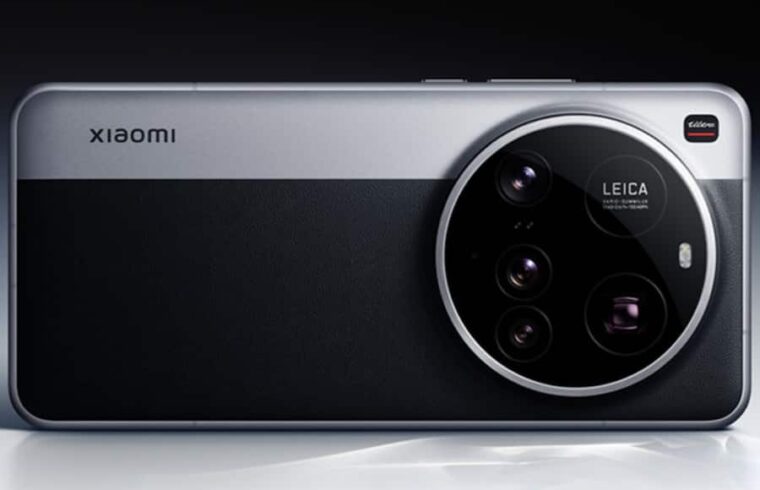
Hold onto your lenses, tech enthusiasts! It seems a significant shift is brewing in the world of smartphone photography. For a while now, the name Leica has been synonymous with premium imaging on select Xiaomi flagships, bringing that iconic, distinct photographic signature we’ve all come to admire. But here’s the kicker: rumor has it, this celebrated partnership might be drawing to a close, and a new era for Xiaomi’s camera technology could be just around the corner. Are we witnessing the end of an era, or the dawn of something even more exciting?
Reports are swirling that the Chinese tech titan is seriously contemplating dropping the co-branding logo – yes, that familiar Leica emblem – from its upcoming flagship devices. We’re talking about the smartphones expected to run on the powerful SM8850 sub-series chipsets, likely to include the eagerly anticipated Snapdragon 8 Elite 2. Instead of relying on a joint brand, Xiaomi is reportedly set to pivot towards its very own, in-house imaging technologies. If true, this isn’t just a minor tweak; it’s a monumental strategic pivot, a true “take the reins” moment for Xiaomi’s camera ambitions.
The Shifting Landscape: Which Devices Are in the Crosshairs?
So, which shiny new gadgets might be stepping onto the scene without that coveted Leica badge? This potential uncoupling is expected to impact a whole host of upcoming devices from the sprawling Xiaomi ecosystem. Picture this:
- The much-anticipated Xiaomi 16, 16 Pro, 16 Ultra, and 16 Ultra Max will likely lead the charge in this new, Leica-less direction.
- Even Xiaomi’s incredibly popular sub-brands aren’t immune. We’re looking at devices like the Redmi K90 Pro and the Poco F8 Ultra also potentially dropping the Leica Dual Camera System (DCS) branding.
This isn’t just about a logo disappearing; it’s a clear signal of Xiaomi’s deepening commitment to its own internal research and development. It’s about them saying, “We’ve learned, we’ve grown, and now it’s time to truly define our own photographic identity.”
Following the Money: The Strategic Play Behind the Partnership Shift
Why would a successful partnership like this potentially dissolve? Well, as with most major corporate decisions, it often boils down to one thing: economics. According to insights from the ever-reliable Digital Chat Station, co-branding with Leica isn’t just a handshake agreement; it comes with a price tag. We’re talking roughly an extra $3 to $5 per unit in licensing fees alone, not to mention the additional costs associated with brand authorization and marketing. When you’re shipping millions of smartphones, those dollars add up faster than you can say “shutter speed.”
Imagine the scale: for every phone sold with that Leica logo, Xiaomi incurs these fees. By dropping this partnership, Xiaomi is expected to save a truly substantial amount of money. And let’s be honest, for its incredibly popular and budget-friendly sub-brands like Redmi and Poco, every penny saved can translate into a more competitive price point or, even better, a beefier feature set for us, the consumers!
Reinvesting in Innovation: A Brighter Future for Xiaomi’s Cameras?
Now, here’s the exciting part! What happens to all that saved cash? Does it just vanish into the corporate abyss? Not likely! The smart money suggests Xiaomi intends to reinvest these significant savings directly into improving their hardware and software capabilities. We’re talking about tangible upgrades that could genuinely elevate your mobile photography experience:
- Better Camera Sensors: Imagine sharper details, improved low-light performance, and more vibrant colors, all thanks to cutting-edge sensors.
- Enhanced Computational Photography: This is where the magic truly happens behind the scenes. Think more sophisticated image processing, AI-powered scene recognition, and next-level HDR.
- Larger Batteries: Because who doesn’t want their phone to last longer, especially when you’re busy snapping epic photos all day?
- Stunning Flat-Panel Displays: A better screen means a better viewing experience for those incredible shots you’ll be taking.
And here’s a tidbit that should get Redmi fans buzzing: rumors hint that upcoming Redmi models are poised to receive a major camera overhaul, with leaks even calling the upgrade “epic-level.” Could this be the direct result of the financial freedom gained from moving away from external partnerships? It certainly seems like a compelling possibility!
A Winding Road: The Industry’s Partnership Maze
This potential breakup isn’t happening in a vacuum; it aligns perfectly with a wider industry trend. Remember when Huawei famously parted ways with Leica? They didn’t just walk away; they went on to develop their own highly acclaimed XMAGE imaging system. It was a bold move that paid off, proving that strong in-house capabilities can indeed stand tall against established names.
Of course, not every brand is ditching the collaborative model. Many manufacturers still see immense value in co-branding with optics giants:
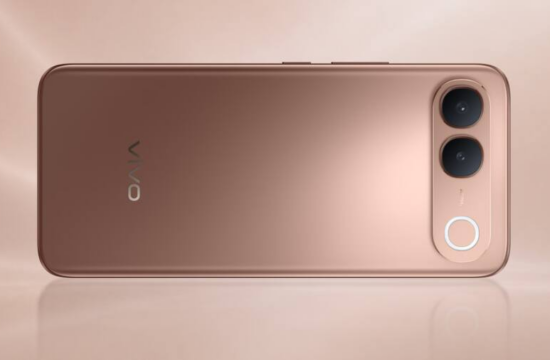
- Vivo continues its strong collaboration with ZEISS, delivering phones with a distinct photographic character.
- Oppo has forged a successful alliance with Hasselblad, bringing that unique color science and professional feel to their devices.
- And Honor has found a niche working with the prestigious French photography studio Harcourt.
So, is Xiaomi’s potential move the start of a new wave of in-house imaging independence, or simply a strategic pivot tailored to their unique market position and long-term vision? Only time will tell, but one thing is clear: the smartphone camera landscape is as dynamic and competitive as ever!
Ultimately, this isn’t just about a logo; it’s about Xiaomi taking the reins of its own imaging destiny. It’s a statement that they believe their internal R&D has matured to a point where they can deliver top-tier camera experiences without external branding. What does this mean for you, the consumer? Potentially, more innovative features, better hardware, and perhaps even more aggressive pricing as Xiaomi reallocates resources. We’re on the cusp of an exciting new chapter for Xiaomi’s smartphone cameras, and we can’t wait to see what they capture next!