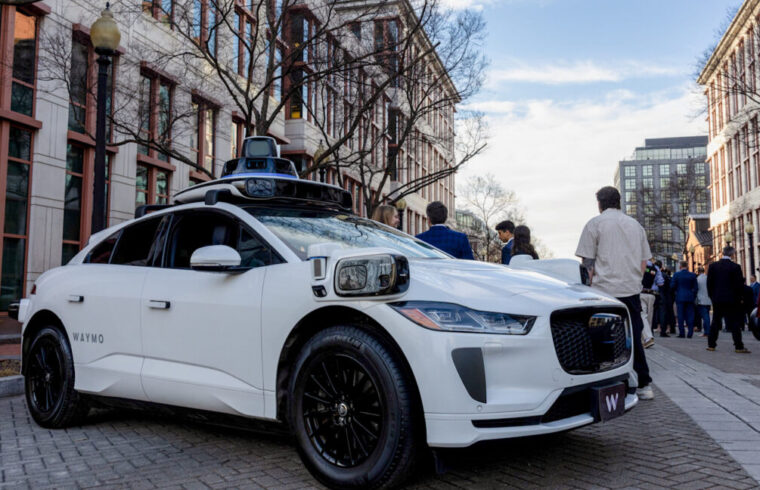
Hey there, tech enthusiasts! Have you been keeping an eye on the incredible, often wild, race to put truly autonomous vehicles on our streets? It’s a battleground, right? And when we talk about the future of driverless taxis, two giants often come to mind: Waymo and Uber. What if I told you that this fight isn’t just happening on our roads with impressive tech, but also in the quiet, influential halls of government? That’s right, the stakes are so high that companies are aggressively upping their game where it really counts: lobbying.
Recently, Waymo, the self-driving pioneer backed by Alphabet, made some serious waves by significantly ramping up its lobbying efforts in Washington D.C. They’re not just trying to build better robotaxis; they’re actively working to shape the very rules that will allow them to thrive. This isn’t just a friendly competition anymore; it’s a full-blown chess match for the future of how we’ll get around, and Waymo is making some bold moves against its rivals, especially Uber.
Following the Money Trail: Waymo’s Million-Dollar Bet on Influence
So, how “serious” are we talking here? Well, let’s look at the numbers, because money often tells the clearest story. Between April and June of this year, Waymo dropped more than $1 million on lobbying the federal government. Think about that for a second! That’s double their spending from the same period just a year ago. It’s like they’ve hit the accelerator not just on their self-driving tech, but also on their push for regulatory approval.
This massive spending surge isn’t just a drop in the ocean; it positions Waymo right up there with, and in some cases even ahead of, other major players in the autonomous vehicle space. We’re talking about their spending now being neck-and-neck with Uber’s, and comfortably surpassing what companies like Amazon’s Zoox and even Tesla are spending on federal lobbying. What does this tell us? It signals a clear intent: Waymo isn’t just participating in the race; they’re determined to lead it, not just with their technology, but with their influence.
Two Visions for the Future: Waymo’s Sprint vs. Uber’s Staggered Strategy
Why this sudden, dramatic increase in lobbying? It all boils down to two fundamentally different visions for how robotaxis should integrate into our lives. Imagine a fork in the road, with Waymo and Uber each advocating for a different path forward. They’re essentially telling regulators, “This is how we believe the future should unfold.”
Waymo’s “Full Speed Ahead” Strategy: Pushing for Pure Driverless
Waymo is championing a faster, direct route to fully driverless commercial services. Their vision is clear: get human safety drivers out of the equation as quickly and safely as possible, allowing robotaxis to operate autonomously from day one in more places. It’s about efficiency, scale, and realizing the full potential of truly autonomous technology without incremental steps. They’re essentially saying, “Our tech is ready; let us show you what it can do without a human safety net.” Think of it like a rocket launch – they want to go straight up and achieve orbit quickly.
Uber’s “Measured Pace” Philosophy: A Hybrid Future?
On the flip side, Uber is advocating for a more staggered, gradual rollout. Their pitch to regulators suggests a scenario where robotaxis operate alongside human drivers, at least initially. It’s a hybrid model, focusing on an incremental introduction where the technology can mature and public trust can be built over time. You could see this as a safer, more cautious approach, perhaps appealing to regulators who are wary of rapid, unproven change. It’s like slowly dipping your toe into the water rather than diving headfirst.
The Regulatory Maze: Why Lobbying is the Secret Weapon
You might be wondering, why is all this lobbying so crucial? Well, the autonomous vehicle industry isn’t like building a new app. It’s a sector deeply intertwined with public safety, infrastructure, and urban planning. The US regulators hold immense power. They decide everything from where robotaxis can operate, to the safety standards they must meet, to the legal frameworks that govern their existence.
Both Waymo and Uber understand that simply having superior technology isn’t enough. You also need the legal and regulatory landscape to be on your side. Lobbying allows them to:
- Educate lawmakers about their technology and its safety benefits.
- Advocate for specific policies that favor their business model.
- Influence the timeline for broader commercial deployment.
- Mitigate potential roadblocks or restrictive regulations.
It’s about having a voice at the table where the rules of the game are being written. And right now, Waymo is ensuring its voice is heard loud and clear.
What’s at Stake for Us: The Ripple Effect of Robotaxi Decisions
So, why should we care about Waymo’s lobbying budget or Uber’s regulatory strategy? Because the decisions made today in Washington D.C. will directly impact our future commute, our cities, and even our jobs! Imagine a world where fully autonomous taxis are the norm. Will it mean:
- Cheaper, more accessible rides for everyone?
- Safer roads with fewer human errors?
- A complete overhaul of urban transportation, reducing traffic and parking needs?
- Or will it lead to job displacement for millions of drivers and unforeseen societal shifts?
The regulatory paths that Waymo and Uber are pushing for aren’t just technical preferences; they represent different timelines and societal impacts. Waymo’s faster approach could accelerate these changes, while Uber’s staggered plan might offer a smoother, albeit slower, transition. Ultimately, the way our regulators decide to clear the path for these services will shape our daily lives in profound ways. It’s a saga unfolding before our very eyes, and every dollar spent on lobbying is a bid for a particular future.
The Road Ahead: Who Will Win the Robotaxi Crown?
This intensified lobbying battle between Waymo and Uber isn’t just about corporate rivalries; it’s about the very blueprint of our future transportation systems. Waymo’s significant increase in spending signals a belief that the time for full autonomy is now, and they’re ready to invest heavily to make that vision a reality with regulatory backing. Uber, while also active, seems to be advocating for a more cautious, integrated approach, perhaps recognizing the complex social and economic factors at play.
As these titans of tech spend millions to sway policy, we’ll be watching to see whose vision ultimately prevails. Will regulators lean towards Waymo’s bold, accelerated path to pure driverless services, or will Uber’s more measured, hybrid rollout gain traction? Only time, and perhaps a few more million dollars in lobbying, will tell. One thing is certain: the future of ride-hailing is being decided not just in labs and on test tracks, but in the legislative arena, right now.