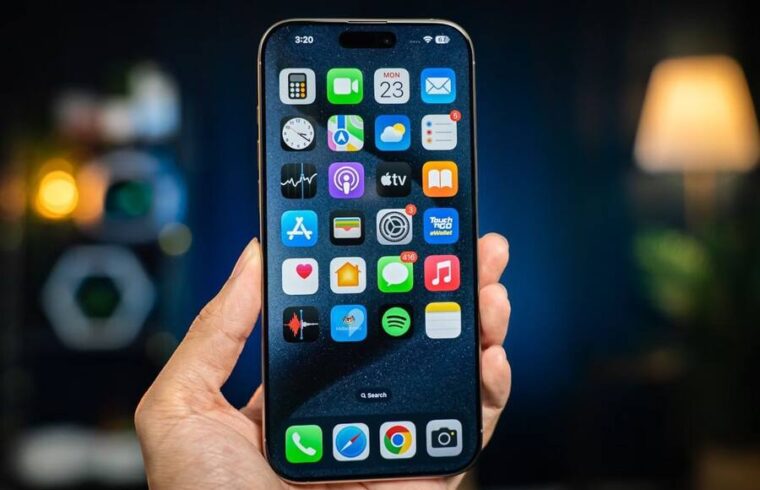
Hey there, fellow tech enthusiast! Have you been eyeing that sleek new (or even slightly older) iPhone model in India? Perhaps you’ve been waiting for the perfect deal, imagining yourself finally holding that coveted device. Well, I’m here to tell you that you might need to
Unveiling the Mystery: The Disappearing “Demand Generation” Support
So, what’s really going on behind the scenes? The primary culprit for this impending price adjustment is the rumored elimination of something called Demand Generation support. Think of it as a secret weapon, a valuable back-end advantage that brands like Apple extend to retailers. It’s not something consumers usually hear about, but it’s been a game-changer for years.
Imagine this: a retailer wants to offer you a discount on a shiny new iPhone. Without Demand Generation support, that discount would come directly out of their profit margin. But with this support, Apple effectively gives retailers a subsidy, allowing them to offer attractive price cuts and cashback deals without actually lowering the official price or taking a hit on their own earnings. It’s like having a benevolent fairy godmother for discounts! For models such as the iPhone 15 and iPhone 16, this crucial support has played a significant role in keeping their effective market prices more competitive and accessible to Indian consumers.
The Ripple Effect: How Disappearing Support Impacts Your Wallet
Now, here’s where it gets personal. Without this invaluable Demand Generation support, retailers simply won’t have the same flexibility to offer those juicy discounts we’ve all grown accustomed to. Do you remember seeing those “flat ₹3,000 off” or “instant discount” offers? Those were often powered by this very mechanism. When that support is gone, guess who ends up paying the difference? You do. While the official retail price on Apple’s website won’t budge, the final amount you hand over at the store or online checkout will inevitably be higher because those attractive deals will vanish or shrink dramatically. It’s a classic case of the same product, but a bigger hole in your pocket.
Beyond Backend Support: The Cashback Crunch
As if losing backend support wasn’t enough, there’s another sting in the tail: a significant reduction in cashback offers. Historically, Indian consumers could often snag up to ₹6,000 in cashback on their iPhone purchases, making that premium device feel a little less intimidating. But those days, it seems, are fading fast. Reports suggest that these generous cashback offers have now been slashed to a mere ₹1,000. That’s a whopping ₹5,000 difference in potential savings! This shift has already started to impact buyers’ total savings, making the dream of an affordable iPhone purchase feel more distant.
The Double Whammy: Why You’ll Feel It More
The real pain point, my friends, comes from the combined effect of reduced backend discounts and significantly diminished cashback offers. It’s a double whammy for your budget. You’ll likely feel this pinch most acutely during routine buying periods, those times when you simply need a new phone and there aren’t any massive festive sales or special temporary offers running. The days of walking into a store and getting a decent everyday discount on an iPhone might soon be a fond memory. Suddenly, the total payment you make for your new iPhone will feel a lot heftier than you anticipated.
Older iPhones Take the Brunt: A Strategic Shift?
This shift in Apple’s support structure is expected to have a disproportionately higher impact on older iPhone models compared to the shiny new releases. Why? Because companies, including Apple, naturally tend to invest heavily in marketing and supporting their latest products, like the upcoming iPhone 17. As models age, the focus shifts, and support, including financial incentives for retailers, slowly decreases. It’s a natural lifecycle, but for Indian consumers, it means the traditional “sweet spot” of buying a slightly older, still-powerful iPhone at a more attractive price might just disappear.
Older iPhones have always remained incredibly popular in India precisely because they offer a fantastic balance of price and performance. They deliver that premium Apple experience without the bleeding-edge cost. However, if these crucial discounts and cashback offers evaporate, the price gap between older and newer models could narrow significantly. Suddenly, that brand-new model might not seem so out of reach compared to its predecessor, potentially making the latest innovation a bit more appealing simply because the older options are no longer the budget-friendly alternatives they once were.
India’s Smartphone Market: A Unique Challenge
Let’s face it, the smartphone industry in India is already grappling with escalating prices. We’ve seen component costs, like those for memory and storage, steadily climb, pushing up the price of devices across the board. Yet, despite these challenges, the demand for iPhones in India has remained remarkably high. It’s a testament to the brand’s allure and perceived value. We see countless consumers opting for EMI (Equated Monthly Installment) facilities, smartly breaking down those high prices into manageable chunks, all to ensure they can get their hands on an iPhone. This consistent demand, even in the face of rising costs, highlights the Indian market’s unique resilience and desire for premium tech.
Navigating the New Landscape: Your Buying Strategy
So, what does this all mean for you, the savvy Indian consumer? In the future, you’ll likely need to be much more time-conscious with your iPhone purchases. Your best bet for securing any significant savings will probably be by waiting specifically for those big festive sales, like Diwali or other major temporary promotional periods. These events might still see some level of aggressive pricing, as retailers clear inventory or participate in manufacturer-driven campaigns.
But, in general, the golden age of easily accessible, substantial everyday discounts on older iPhones seems to be fading. This implies that acquiring an iPhone in India is poised to become a notably more expensive endeavor than it has been in the past. It’s a shift that reinforces the iPhone’s status as a truly premium product in the Indian market, demanding a more strategic approach from potential buyers. Are you ready for the change?