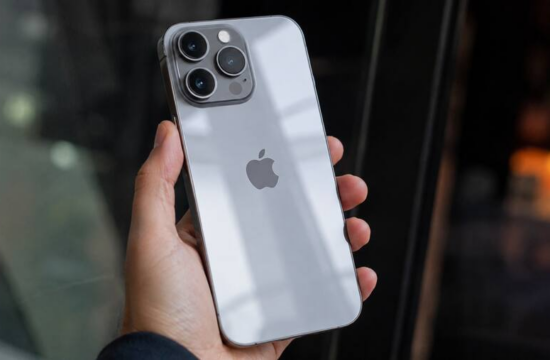
Ah, Apple! When we think of Cupertino, we often picture a realm where innovation reigns supreme, where cutting-edge design meets groundbreaking technology, setting trends for the entire smartphone industry. For years, they’ve consistently delivered devices that not only enhance our daily lives but often redefine our expectations. Yet, even the most visionary companies can sometimes misjudge the pulse of their consumers. And that, my friends, seems to be the unexpected story brewing around Apple’s most ambitious recent project: the iPhone Air.
You probably remember the buzz. When Apple unveiled the iPhone Air, it was supposed to be a game-changer, a testament to sleek design and powerful features packed into an impossibly thin frame. We were all ready to be wowed, weren’t we? But as early reports trickle in, it appears this highly anticipated device is facing some significant headwinds. It’s a classic case of expectation versus reality, and frankly, it leaves us wondering: what happened?
The “Air” Gets Grounded: Unpacking the iPhone Air’s Unexpected Struggle
It’s not often that a brand new Apple device struggles out of the gate, especially one positioned as a bold step forward. But the initial feedback on the iPhone Air has been, well, surprisingly subdued. This isn’t just a slight hiccup; we’re talking about a significant enough lack of consumer enthusiasm that it’s reportedly forcing Apple to rethink its entire production strategy. Can you imagine the meetings happening behind closed doors?
Early Warning Signs: Consumer Feedback and Production Adjustments
Reports hitting the wire suggest that just weeks after its grand unveiling at Apple’s spectacular September event, the tech giant began to reconsider its manufacturing plans for the iPhone Air. This is incredibly swift. Typically, post-launch adjustments are minor, but sources indicate a much more dramatic shift. It seems the market simply didn’t respond to the iPhone Air with the overwhelming excitement Apple had anticipated.
This swift pivot tells us a lot. It highlights the dynamic nature of consumer tech and how even a company as dominant as Apple needs to continuously adapt. The initial strategy likely allocated a significant portion of manufacturing capacity to the Air, perhaps 10 to 15 percent of all iPhone production. Now, suppliers are reportedly seeing massive cuts in orders for components and electronic modules. This isn’t just trimming around the edges; it’s a fundamental recalibration.
The Numbers Don’t Lie: Supply Chain Revelations
According to insightful reports from Nikkei Asia, the iPhone Air has seen its production volume slashed considerably in recent weeks. One supply chain manager even revealed a staggering detail: manufacturing since November would be less than ten percent of the September production figures. Let that sink in for a moment. This isn’t just a slowdown; it strongly suggests that the iPhone Air might be reaching its end-of-production stage in many key markets, far sooner than anyone could have predicted. It’s almost like a star athlete who gets benched before the season even truly begins.
A Tale of Two Triumphs: The iPhone 17 Line Soars
While the iPhone Air faces its existential crisis, the rest of the iPhone 17 lineup is telling a completely different, much more triumphant story. It’s a stark contrast that truly highlights where consumer demand currently lies. It seems Apple hit a home run with its conventional flagships, even as its ambitious “Air” project stumbled.
Beyond Expectations: Standard and Pro Models Shine
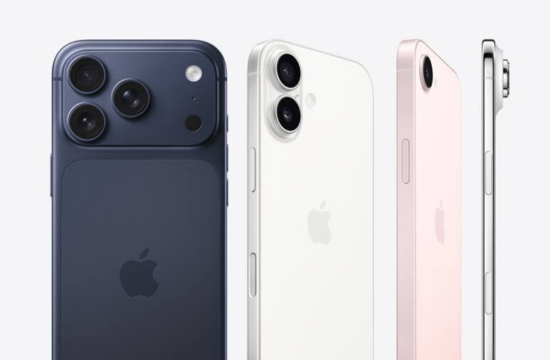
In a surprising twist, the standard iPhone 17, alongside its premium siblings, the iPhone 17 Pro and iPhone 17 Pro Max, are reportedly exceeding Apple’s internal sales expectations. This isn’t just good news; it’s fantastic news for the company. We’re seeing Apple actively boosting the manufacturing capacity for the regular iPhone 17 by approximately five million units. Furthermore, they’re expanding orders for the high-end Pro models, indicating robust and sustained demand.
Supply chain sources confirm that the overall production volume for the entire iPhone 17 line, initially projected at a substantial 85 to 90 million units, remains largely unaltered. This crucial detail tells us that while one model struggles, the collective power of the others is picking up the slack, clearly demonstrating that people are eagerly lining up to buy these particular iPhones.
The Availability Gap: A Clear Indicator of Demand
Want to see a real-time snapshot of market demand? Just check Apple’s official website in the United States. If you’re hoping to snag an iPhone 17 with 256GB of storage, be prepared to wait two to three weeks. For the iPhone 17 Pro, it’s a slightly shorter, but still significant, wait of one to two weeks. Now, try to get an iPhone Air. What do you find? Immediate pickup available.
This isn’t just a convenience; it’s a flashing neon sign telling us exactly what consumers are prioritizing. When a new device is readily available from day one, it’s usually a strong indicator that demand isn’t meeting supply projections. It’s the digital equivalent of a ghost town versus a bustling metropolis.
What Went Wrong with the iPhone Air? (Beyond the Hype)
So, why the disconnect? Why did the iPhone Air, armed with Apple’s branding and innovative spirit, fail to capture the imagination (and wallets) of consumers? Let’s delve a bit deeper into what might have been the crucial missteps.
Price, Specs, and the Pursuit of Thinness
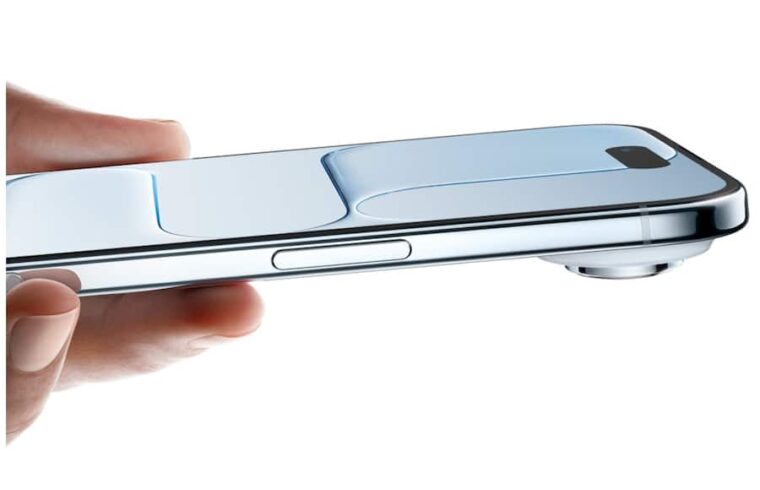
Let’s talk specifics. In India, the iPhone Air with 256GB storage carried a hefty price tag of Rs. 1,19,900. While Apple devices are known for their premium pricing, consumers often expect a commensurate leap in features or a truly unique value proposition. The Air’s standout feature was its extreme thinness at just 5.6mm. It boasted a respectable 48MP rear camera, an 18MP front camera, and a 3149mAh battery.
But here’s the rhetorical question: Is thinness alone enough to justify a premium price and potentially compromise other features? Perhaps the market has reached a point where “thinner” isn’t the absolute top priority. Consumers might be more interested in battery life, camera versatility, or groundbreaking new functionalities rather than merely shaving off a few millimeters. Could the pursuit of an ultra-thin design have led to compromises that weren’t worth the trade-off for the average user?
A Stepping Stone or a Stumble? The Foldable Future
Interestingly, Apple reportedly conceived the iPhone Air as a transitional step, a crucial bridge toward its first foldable iPhone, which is rumored to arrive in 2026. This context is vital. The Air wasn’t just a new iPhone; it was an experiment, a testbed for extreme engineering and design. But if it was meant to pave the way, its initial market reaction suggests the path might be bumpier than anticipated.
It seems that while Apple was looking ahead to a foldable future, consumers were firmly rooted in the present, opting for the proven reliability and performance of the iPhone 17 line. The market’s reception indicates that customers aren’t necessarily clamoring for a “halfway house” device; they either want the established excellence or the full-blown revolutionary experience.
Lessons Learned and What’s Next for Apple
Every setback offers invaluable lessons, even for a titan like Apple. The iPhone Air’s journey, though seemingly cut short, will undoubtedly provide crucial insights that will shape their future product development.
Listening to the Market: A Crucial Imperative
This episode is a powerful reminder that even with unparalleled marketing and technological prowess, a company must continually listen to what the market is truly saying. Innovation for innovation’s sake might not always translate into consumer demand. Sometimes, a more balanced approach, focusing on enhancing existing strengths and delivering tangible user benefits, resonates more deeply.
The Path Forward: Iteration and Innovation
So, where does Apple go from here? We can expect them to double down on what works: refining the successful iPhone 17 lineup and rigorously re-evaluating their strategy for future groundbreaking devices, including that much-anticipated foldable. Perhaps the next “Air” will not just be thin, but truly revolutionary in a way that captures the public’s imagination from day one.
Conclusion: The End of an Era for the iPhone Air?
The story of the iPhone Air is a fascinating one, a rare moment where Apple’s ambitious vision didn’t quite align with market realities. It’s a testament to the unpredictable nature of consumer electronics, where even the most meticulous planning can be overturned by public sentiment. While the iPhone 17 line continues to fly high, the iPhone Air appears to be making an early, perhaps permanent, descent.
Only time will tell how Apple integrates these lessons into its future roadmap. But one thing is clear: in the ever-evolving tech landscape, even the biggest players occasionally face a reality check. And for the iPhone Air, that check seems to have arrived much sooner than anyone expected.