For years, the mere mention of a foldable iPhone felt like a whispered secret, a distant tech fantasy confined to the realm of concept renders and wild speculation. Well, my friends, it’s time to adjust your expectations! That distant dream is rapidly approaching, transforming from mere rumor into a tangible, exciting prospect that could redefine how we interact with our most personal devices. Are you ready for a truly flexible future?
Even as the buzz around Apple’s next conventional flagship phones, perhaps the highly anticipated iPhone 17 series, continues to build, it seems the real show-stopper is still a little further down the road. Prepare yourselves, because the genuine excitement, the true paradigm shift, is slated to unfold shortly after the next big iteration of our beloved iPhones.
The Unfolding Timeline: When Can We Get Our Hands on a Bending Apple Device?
Let’s talk dates, because that’s what we really want to know, isn’t it? When will Apple finally embrace the foldable form factor?
The Big Reveal: A Foldable iPhone Lands in 2026
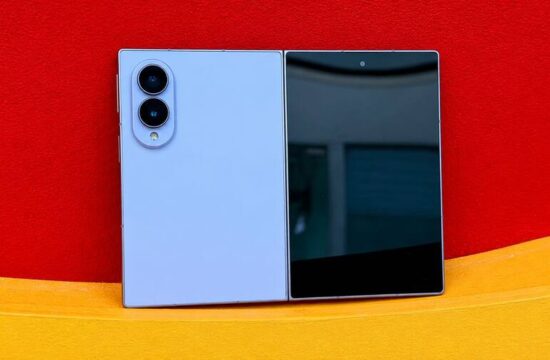
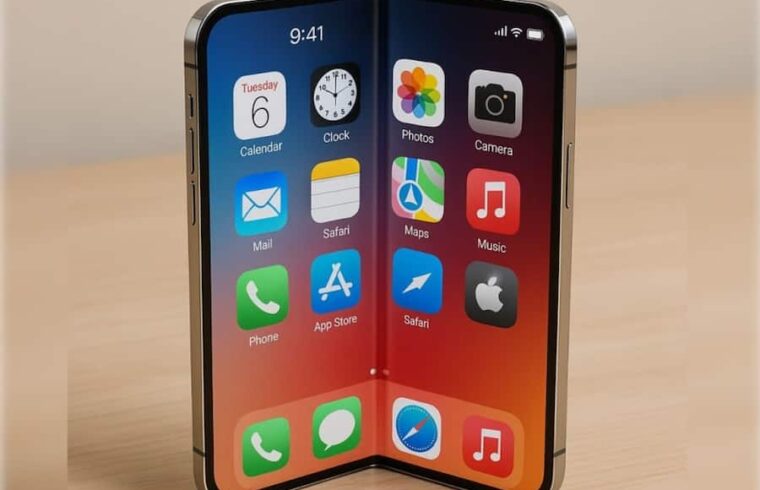
According to none other than the renowned analyst, Ming-Chi Kuo, Apple is setting its sights on a monumental launch: their very first foldable iPhone. Mark your calendars, because this groundbreaking device is expected to arrive in 2026. This timeframe aligns perfectly with earlier whispers that suggested the foldable iPhone could debut alongside the iPhone 18 series. Imagine, a new generation of iPhones, and one of them literally folds in half! It’s a tantalizing thought, isn’t it?
But Apple’s vision for flexibility doesn’t stop there. The Cupertino giant seems to be embarking on a comprehensive journey into bendable displays.
Beyond the iPhone: A Foldable Ecosystem is Emerging
If everything goes according to Apple’s ambitious plans, after we’ve had a year or two to marvel at the foldable iPhone, we can then look forward to a foldable iPad making its grand entrance around 2028. Think about that: a tablet that you can literally fold up and slip into a smaller bag! The possibilities for productivity and entertainment are truly endless. And let’s not forget the company’s continuous innovation in other areas; they’re also hard at work on the Vision Air, a lighter and more wallet-friendly version of the revolutionary Vision Pro, anticipated in 2027.
Apple isn’t just dipping its toes into the foldable waters; it’s diving in headfirst, creating an entire ecosystem of bendable, immersive devices. It certainly feels like a new era of personal computing is right around the corner.
The Engineering Marvel: Unpacking Ultra-Thin Glass (UTG)
So, what’s the magic ingredient that makes these flexible dreams a reality? It’s a material that sounds deceptively simple but is incredibly complex to produce.
The Secret Sauce: What Makes Foldables Possible
The unsung hero behind every successful foldable device is Ultra-Thin Glass (UTG). This isn’t your average smartphone screen; we’re talking about a material so incredibly delicate and precise that handling it is like trying to fold a diamond without it shattering. UTG is the foundational component that allows screens to bend and flex repeatedly without breaking, offering a premium feel and durability that plastic alternatives just can’t match.
However, this innovation comes at a cost. Processing UTG is significantly more complex and expensive than traditional smartphone glass, typically costing 2 to 4 times more. Why? Because even the tiniest crack or surface imperfection can compromise the entire structure, rendering it useless. Talk about a high-stakes manufacturing process!
Meet the Architects: GIS and Corning Leading the Charge
Backing up this exciting timeline is some crucial news from the supply chain. Apple’s long-standing partner, General Interface Solution (GIS), has reportedly secured an exclusive and pivotal role in handling the UTG for these upcoming foldable devices. This is a huge deal for GIS, solidifying their position at the forefront of this cutting-edge technology.
GIS won’t be working alone. They’ll collaborate closely with Corning, the world-renowned supplier of the raw UTG material. Together, they’ll tackle the intricate backend processing, which includes critical steps like precise cutting, meticulous edge treatment, and rigorous inspection to ensure flawless quality. Only after passing these stringent checks does the glass move on to panel makers for final assembly into those glorious foldable screens. This partnership is a testament to the specialized expertise required to bring foldables to life.
And GIS’s involvement doesn’t stop with the iPhone! They’re also slated to play a key role in the UTG processing for the foldable iPad, further cementing their importance to Apple’s future. Plus, for the upcoming Vision Air, GIS has reportedly landed exclusive orders for the crucial Pancake lenses, which could significantly boost their business across multiple future Apple product lines.
Apple’s Confidence and the Future Market Impact
Numbers speak volumes, and Apple’s internal projections paint a very clear picture of their confidence.
Big Numbers: Apple’s Ambitious Forecasts
Apple has already revised its internal shipment estimates upward for its foldable devices. Initially, they might have been cautiously optimistic, but now, the projections are bold: they expect to ship between 8 to 10 million foldable iPhones in 2026. And that’s just the beginning! By 2027, those numbers could skyrocket to as many as 20 to 25 million units. These aren’t just minor adjustments; they’re significant jumps that signal Apple’s strong belief in the market demand and their ability to deliver a superior foldable experience.
Why This Matters: Reshaping the Smartphone Landscape
What do these ambitious forecasts tell us? They tell us that Apple isn’t just joining the foldable party; they intend to lead it. With their immense brand loyalty, design prowess, and robust ecosystem, a foldable iPhone could very well be the catalyst that pushes the entire foldable smartphone market into the mainstream. Competitors, who have had a head start in this niche, should certainly be taking note. When Apple enters a new product category, it doesn’t just innovate; it often defines it.
This isn’t just about a new gadget; it’s about a potential shift in how we think about mobile technology. A foldable iPhone could offer unprecedented versatility, merging the portability of a phone with the expansive canvas of a tablet, all within one sleek, pocketable device. We’re on the cusp of something truly exciting, and the next few years promise to be an incredible ride for tech enthusiasts everywhere.
So, are you ready to embrace a future that literally folds? Because it looks like Apple is about to deliver just that, and we couldn’t be more thrilled to see it unfold!