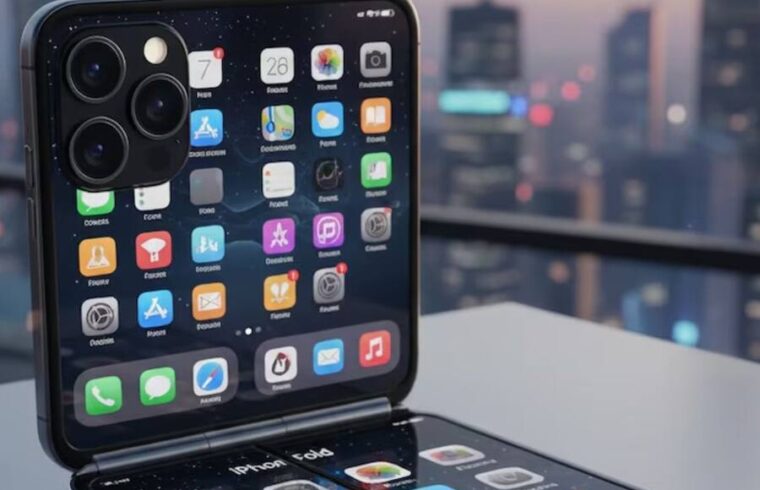
For years, we, the devoted Apple enthusiasts, have watched from the sidelines as other tech giants unveiled their foldable smartphones. We’ve seen the sleek designs, the innovative form factors, and yes, the ever-present, often-criticized display crease. It’s been a patient wait, hasn’t it? But if the latest whispers and leaks are to be believed, our patience is about to pay off in a big way. Imagine an iPhone that folds, not just conveniently, but flawlessly – without that annoying, visible line marring the screen.
That’s right, folks! Rumors are swirling that Apple might finally be ready to launch its highly anticipated ‘Foldable iPhone‘ – perhaps even dubbed the ‘iPhone Ultra’ – as early as December 2026. And here’s the kicker: it’s rumored to tackle one of the biggest pain points in the foldable phone market head-on: the dreaded screen crease.
Apple’s Secret Sauce: Three Key Innovations to Banish the Crease
So, how does Apple plan to achieve this seemingly impossible feat? It’s not just one magic bullet, but rather a combination of sophisticated engineering and meticulous design. Sources suggest the Cupertino company is leveraging three primary technological advancements to virtually eliminate the crease from its upcoming foldable iPhone. We’re talking about a radically new hinge design, a completely reimagined display panel, and a revolutionary special adhesive layer. This isn’t just a tweak; it’s a total overhaul of the foldable paradigm.
What truly sets Apple‘s purported approach apart is its focus on how pressure is distributed across the display and, crucially, how the screen itself bends. Unlike many existing foldable phones that often sacrifice either flexibility or rigidity, Apple seems to be aiming for a harmonious balance, rewriting the rules of what a foldable display can truly be.
The Revolutionary Hinge: A Foundation of Flawless Folding
If you’ve ever wondered what truly makes a foldable phone tick, look no further than its hinge. It’s the backbone, the silent workhorse, and in Apple‘s case, it’s expected to be a masterpiece of engineering. Reports indicate that the tech giant is incorporating liquid metal and titanium hinge systems. Why these exotic materials, you ask? Because they offer an unparalleled combination of strength, lightness, and flexibility.
This isn’t just any hinge; it’s designed to handle countless folds and unfolds without exerting excessive, localized pressure on the delicate display. Think of it like a perfectly engineered bridge, distributing weight evenly so no single point bears the brunt of the load. This intelligent stress distribution is key to preventing those unsightly creases from forming in the middle of the screen – a common affliction for many current foldable smartphones. Moreover, this advanced hinge is expected to significantly enhance the long-term durability of the device, ensuring your investment stands the test of time.
Redefining the Display: Layers of Innovation
Of course, a groundbreaking hinge needs an equally groundbreaking display. Should Apple unveil a foldable iPhone, its screen itself will undergo profound transformations. Imagine a display panel that isn’t just one layer, but rather multiple layers of ultra-thin glass, each contributing to a different level of thickness and resilience. This isn’t just about making it bend; it’s about making it bend correctly.
The innovation doesn’t stop there. Picture this: the very center of the foldable iPhone‘s display – the part that actually folds – will be thinner, allowing for effortless bending. Conversely, the outer areas of the screen will be thicker, providing robust strength and protection. This ingenious design creates a gradient of flexibility, masterfully balancing the need for smooth folding with the imperative for overall durability. It’s like having the flexibility of a gymnast and the strength of a weightlifter all in one incredible display!
The Invisible Hero: Optically Clear Adhesive (OCA)
Beyond the marvels of the hinge and the layered display, there’s another unsung hero working behind the scenes: a special glue known as Optically Clear Adhesive (OCA). While it might sound mundane, this material is expected to play a crucial role in eliminating the crease. How? By meticulously filling even the tiniest gaps within the display layers, creating a seamless, uniform surface.
Furthermore, this advanced adhesive is designed to spread and adapt across the display’s surface when the phone is folded, almost like a self-healing layer. Not only will this drastically reduce the chances of wrinkles appearing, but it will also significantly enhance the smoothness and visual clarity of the screen. Over time, we can expect this new adhesive technology to maintain the display’s pristine quality, ensuring your foldable iPhone looks as good as new, even after countless folds.
Why This Matters: A Game-Changer in a Crowded Market
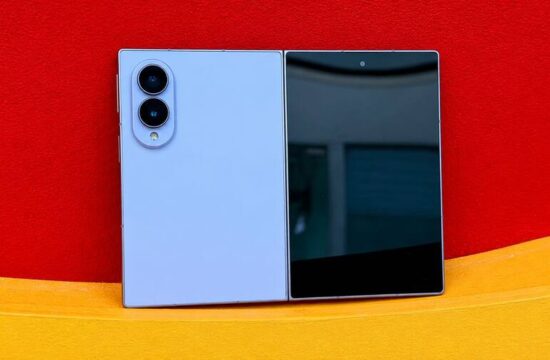
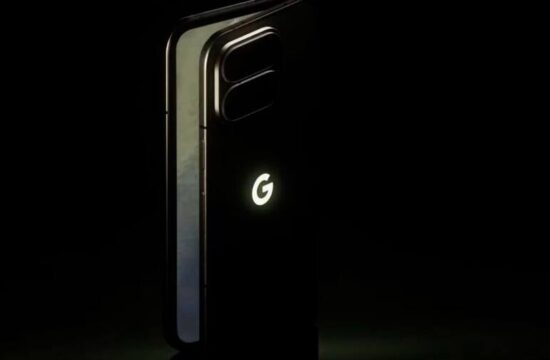
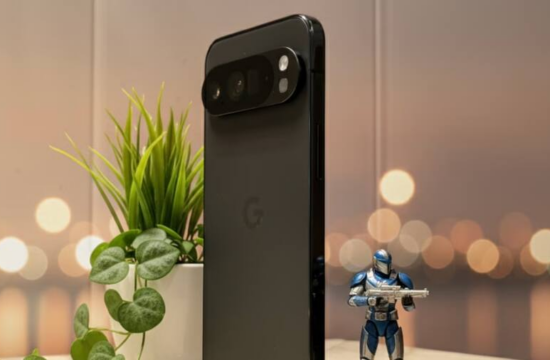
Let’s be honest, the foldable smartphone market isn’t exactly empty. Competitors like Samsung’s Galaxy Z Fold series and Google’s Pixel Fold have already made their mark, offering large, expansive displays. But here’s the rub: they still often feature a noticeable crease. This is where Apple‘s meticulous, unhurried approach could truly shine.
Apple is renowned for entering product categories only when it believes it has achieved a certain level of perfection. If these rumors hold true, and the upcoming foldable iPhone genuinely minimizes or even eliminates the crease, it would represent a monumental advantage for the brand. It would solidify Apple’s reputation for delivering a premium, uncompromised user experience, something many existing foldable devices still struggle with. Of course, pricing will inevitably be a significant factor, as foldable phones traditionally command a high premium. But for a truly crease-free experience, many might argue it’s a price worth paying.
When Can We Expect This Magic? The Rumored Launch Window
So, when can we finally get our hands on this potential marvel? Current leaks suggest the iPhone Fold could make its grand debut in late 2026, perhaps even in December. Other reports hint that its arrival might follow the iPhone 18 series, which is expected to launch during Apple’s usual September timeline in 2026. This staggered release would give the foldable device its own spotlight, emphasizing its unique place in Apple‘s ecosystem.
Furthermore, there are tantalizing hints that the tech giant might also introduce entirely new software features specifically designed to optimize and support the foldable form factor. Imagine a seamless transition between a phone and a tablet experience, tailored by Apple‘s intuitive software. Whatever the exact timeline, one thing is clear: if a foldable iPhone truly launches with these innovations, it won’t just be another phone; it will be a pivotal moment that could fundamentally change Apple‘s product strategy for years to come.
The Road Ahead: A New Chapter for Apple?
The prospect of a crease-free foldable iPhone isn’t just exciting for tech enthusiasts; it represents a bold statement from Apple. It’s a testament to their dedication to innovation, even if it means taking their time to get it absolutely right. Could this be the device that finally convinces a broader audience to embrace the foldable future? We certainly think so. The journey to a truly perfect foldable device has been a long one, but with Apple potentially on the verge of cracking the code, the future of smartphones looks incredibly bright, and delightfully smooth.
What are your thoughts? Are you ready for an iPhone that folds without compromise? Share your excitement in the comments below!