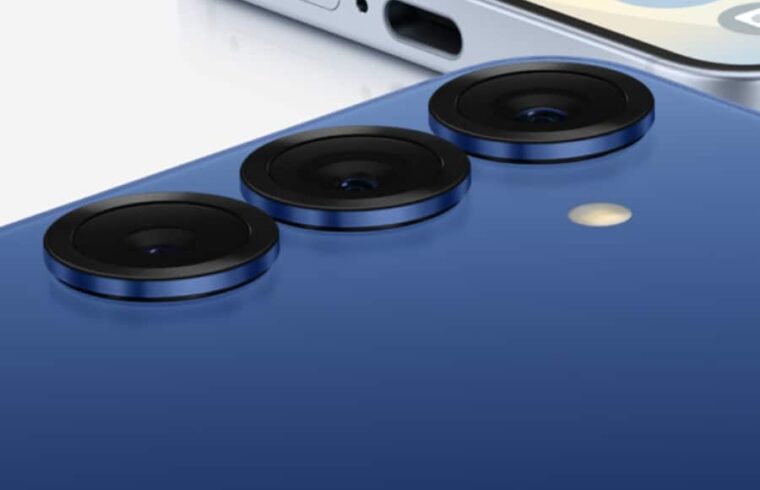
Hold onto your hats, tech enthusiasts! Whispers from the industry are getting louder, suggesting a significant shift in Samsung’s flagship strategy. We’re talking about the highly anticipated Galaxy S26 series, and if the rumors are true, Samsung might be embarking on a bold new path for its next-generation smartphones. Forget what you know about the standard and Plus models; the future could bring us the Galaxy S26 Pro and Galaxy S26 Edge, potentially powered by Samsung’s very own, unannounced 2nm Exynos 2600 chipset. Are we about to witness an Exynos renaissance? Let’s dive in.
The Next Galaxy Frontier: S26 Pro and S26 Edge Emerge
First things first, let’s talk about the potential lineup refresh. The word on the street is that Samsung is shaking things up by reportedly replacing the familiar “standard” and “Plus” monikers with “Pro” and “Edge” for the Galaxy S26 series. This isn’t just a naming tweak; it often signals a strategic repositioning of their devices. The “Pro” model typically implies a higher-tier device, while “Edge” could bring back the beloved curved displays or signify a distinct design philosophy. We’ve seen similar moves in other smartphone ecosystems, so it makes you wonder: what kind of innovative features will these new designations unlock for us?
The Costly Affair: Why Samsung is Eyeing a Chip Shift
Now, let’s get to the heart of the matter: the chips. It’s no secret that sourcing the powerful silicon that drives our smartphones can be a colossal expense. A recent report from South Korea paints a clear picture: Samsung’s DX division saw its chip procurement costs skyrocket to a staggering KRW 7.78 trillion (roughly $5.7 billion USD) in the first half of 2025. That’s a significant jump from KRW 6.27 trillion ($4.6 billion USD) during the same period last year. Think about that for a second – billions of dollars in just six months!
This massive surge is largely attributed to Samsung’s heavy reliance on Qualcomm chips for its premium devices. Take the entire Galaxy S25 series or even the recently unveiled Galaxy Z Fold 7; both proudly feature Qualcomm’s high-end Snapdragon 8 Elite SoC. While these chips deliver top-notch performance, their price tag is apparently becoming a financial burden. Why? Because Qualcomm’s primary supplier, TSMC, has reportedly been raising its prices. It’s a classic supply-and-demand squeeze, and Samsung, like any savvy business, is feeling the pinch. It’s almost like they’ve been renting a luxury car, and now the rental fees are getting out of hand, making them consider buying their own.
Qualcomm’s Dominance and Its Price Tag
For years, Qualcomm’s Snapdragon chips have been synonymous with peak Android performance, especially in the flagship segment. Samsung, to ensure its devices stood shoulder-to-shoulder with the best, often opted for these powerful external processors. But as we’ve seen, this reliance has a clear financial implication. The share of mobile application processors (AP) in Samsung’s total raw material purchases jumped from 17.1% to 19.9%, indicating that chips are becoming an even more substantial slice of their manufacturing pie. This isn’t just about raw cost; it’s about controlling their destiny and their profit margins.
Enter the Exynos 2600: Samsung’s 2nm Power Play
To mitigate these escalating costs and potentially regain more control over its supply chain, Samsung’s MX division (Mobile eXperience) is reportedly considering a significant shift: a greater embrace of its in-house Exynos processors. And here’s the exciting part: the Exynos 2600, expected to power the Galaxy S26 Pro and Galaxy S26 Edge, is rumored to be designed on a cutting-edge 2nm node. This is a huge deal!
Why is 2nm so important, you ask? Smaller nanometer processes generally mean more transistors can be packed into a smaller space, leading to significantly improved performance, better energy efficiency, and a cooler running chip. Imagine building a more powerful engine that also sips less fuel – that’s the dream of smaller node technology. If Samsung can deliver a truly competitive 2nm Exynos chip, it could dramatically close the performance gap with Qualcomm and offer a more integrated, optimized experience for its own devices. Could this finally be the Exynos comeback story we’ve been waiting for?
A Glimmer of Confidence: The Tesla Partnership
Adding fuel to the Exynos fire, there’s been some very encouraging news on a related front. Samsung recently partnered with Tesla to manufacture chips for Tesla’s electric vehicles (EVs). What’s more, they reportedly achieved excellent yield and stability on the 2nm process during this collaboration. This isn’t directly for smartphones, but it’s a massive vote of confidence for Samsung’s manufacturing capabilities at such an advanced node. If they can produce reliable 2nm chips for high-demand automotive applications, it surely boosts their confidence in using similar technology for their premium smartphones. It’s like a successful dress rehearsal for the main performance!
The Ultra Exception: Will the S26 Ultra Stick with Snapdragon?
However, no strategy is ever perfectly uniform, and it seems the top-tier Galaxy S26 Ultra might still play by different rules. Rumors suggest that the Ultra model could continue to feature a Qualcomm chipset, presumably the yet-to-be-announced Snapdragon 8 Elite 2. Why the potential split? It could be a strategic move to cater to users who prioritize absolute peak performance and are willing to pay a premium. It also allows Samsung to hedge its bets, ensuring that its most expensive and feature-rich device maintains a perceived performance edge with a proven external chip, while simultaneously fostering its internal Exynos development. It’s a careful balancing act, isn’t it?
What Does This Mean for You, the User?
So, what does all this behind-the-scenes chip drama mean for you, the person who will eventually buy one of these phones? Potentially, it means Samsung could gain better control over the entire hardware-software integration, leading to more optimized performance and potentially longer software support. On the other hand, the historically varied performance of Exynos chips in some regions has made users wary. However, a 2nm Exynos 2600, bolstered by learnings from the Tesla partnership, could genuinely be a game-changer. We could see Samsung finally deliver a more consistent and powerful experience across all its flagship variants. It’s about getting more bang for your buck, driven by Samsung’s own innovations.
The Road Ahead: A Game-Changer for Samsung’s Future
If these rumors hold true, the Galaxy S26 series represents more than just a new generation of smartphones; it signifies a pivotal moment in Samsung’s long-term strategy. By potentially shifting a significant portion of its flagship lineup to in-house Exynos chips, Samsung aims to balance rising costs with high-end performance. It’s a calculated risk, a testament to their commitment to innovation, and a bold statement about their confidence in their own chip-making prowess. We’re on the cusp of witnessing Samsung take a potentially huge step towards greater self-reliance, and we can’t wait to see how it unfolds for the future of mobile technology.