Imagine one of the internet’s quiet titans, a foundational tool that powers countless applications and data transfers every single day. We’re talking about cURL, a name you might not always see, but a utility that’s absolutely everywhere, a true workhorse of the digital world. Now, picture the dedicated, small team behind this critical open-source project being forced to make an incredibly tough call:
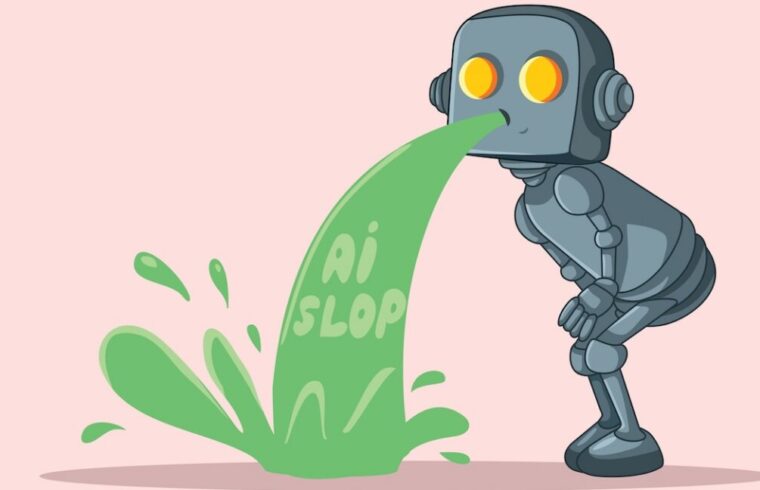
They’re scrapping their entire vulnerability reward program, commonly known as a bug bounty. Why such a drastic measure, you ask? The culprit, it turns out, is a deluge of low-quality, often AI-generated “slop” that has completely overwhelmed their modest resources. It’s a fascinating, and frankly, worrying development that begs the question: are we seeing the beginning of AI’s unintended, negative impact on open-source security?
The Overwhelming Burden: Why cURL Called It Quits
This isn’t just about a few bad reports; it’s about a flood. Daniel Stenberg, the visionary founder and lead developer of cURL, didn’t mince words when he voiced his team’s predicament. “We are just a small single open source project with a small number of active maintainers,” Stenberg explained. Think about that for a moment. This isn’t a tech giant with endless resources; it’s a tight-knit group of committed individuals ensuring a vital piece of internet infrastructure remains robust and secure. Their bug bounty program was supposed to be a helping hand, inviting the community to find and report vulnerabilities in exchange for a reward.
A Small Team Under Siege
But instead of precise, actionable intelligence, they received a tsunami of noise. Stenberg succinctly captured the essence of their struggle: “It is not in our power to change how all these people and their slop machines work. We need to make moves to ensure our survival and intact mental health.” Can you blame them? Imagine you’re trying to keep a garden pristine, but instead of a few carefully identified weeds, hundreds of poorly grown, indistinguishable sprouts are being dumped on your plot daily. You’d quickly realize you’re spending more time clearing junk than cultivating the good stuff. For the cURL team, this isn’t just about code; it’s about their well-being and the project’s long-term sustainability.
The AI Epidemic: What is ‘Slop’ and Why Does It Matter?
So, what exactly is this “AI-generated slop” that caused such a critical project to pull the plug on its bug bounty? We’re talking about reports that lack genuine insight, often generated by automated tools – increasingly, AI tools – that scour code for surface-level issues without the human intelligence to discern actual threats from false positives or irrelevant noise. These reports might point out a non-existent vulnerability, present an already known issue with no new context, or be so generic they offer no value. The “slop” isn’t just benign; it’s actively harmful because it consumes the invaluable time and energy of the maintainers.
The Cost of Low-Quality Submissions
For a small team, every minute spent sifting through pointless reports is a minute not spent on actual development, patching legitimate bugs, or planning future improvements. It’s like looking for a needle in a haystack, only to discover most of the hay is actually just… more hay, clumsily thrown in by well-meaning but ultimately unhelpful robots. This isn’t what bug bounties were designed for. They’re meant to foster collaboration, not drown maintainers in digital refuse. The irony is stark: a program intended to enhance security ended up jeopardizing the team’s ability to maintain it.
A Faustian Bargain? User Security Concerns vs. Project Survival
Of course, such a significant decision didn’t come without a chorus of concerned voices from the cURL user community. Many users immediately worried that scrapping the bug bounty program would eliminate a crucial layer of security for the tool. Their concern is valid: without the incentive of a reward, would security researchers still dedicate their time to finding and reporting vulnerabilities in cURL? Are we trading immediate team sanity for potential long-term security risks?
The Dilemma of Open Source Maintainers
Stenberg, in a moment of candid acknowledgment, largely agreed with these user concerns. He understood the perceived risk but reiterated that his team simply had “little choice.” This highlights a profound dilemma facing many open-source projects today: how do you balance the noble goal of maximum security through community engagement with the very real, human limitations of the small teams who actually build and maintain these critical tools? When the well-intentioned efforts of the community become an unbearable burden, something has to give. In this case, it was the bug bounty program itself.
Beyond cURL: A Warning for the Open Source Ecosystem?
cURL’s experience isn’t an isolated incident; it’s a loud alarm bell for the entire open-source ecosystem. If a project as widely used and fundamental as cURL can be overwhelmed by AI-generated noise, what does this mean for smaller, less-resourced projects? Could this decision be a harbinger of a future where bug bounty programs, a cornerstone of proactive security, become unsustainable for many?
The rise of readily available AI tools for code analysis and report generation, while powerful when used correctly, clearly presents a new challenge. It lowers the barrier to entry for “security researchers” but also, unfortunately, for those who simply want to game the system or don’t understand the nuances of genuine vulnerability reporting. We must ask ourselves: how do we ensure that the democratization of security tools doesn’t inadvertently cripple the very projects they aim to protect?
Charting a New Course: The Future of Bug Bounties in an AI World
So, where do we go from here? cURL’s decision isn’t just an end; it’s an opportunity for introspection. We need to rethink how bug bounty programs are structured, especially for vital open-source projects that rely on voluntary contributions and limited resources.
Rethinking Rewards and Quality Control
Perhaps it’s time for new models that incorporate more robust quality control mechanisms at the submission stage, or even tiered reward systems that heavily incentivize high-quality, verified reports over sheer volume. Could AI itself be part of the solution, helping to filter out the low-quality “slop” before it reaches human eyes? Or perhaps, the community needs to step up and self-regulate, emphasizing responsible reporting practices. This conversation is no longer theoretical; it’s a pressing reality.
Our Takeaway: A Difficult, But Understandable Decision
The cURL team’s decision is undoubtedly a difficult one, met with mixed emotions across the cybersecurity community. However, from their perspective as maintainers, it appears to be a necessary step for their survival and to safeguard their mental health. It’s a stark reminder that even the most critical internet tools are built and maintained by humans, who have limits.
What Can We Do?
As users, developers, and security enthusiasts, we owe it to these unsung heroes to engage responsibly. The future of open-source security depends not just on finding vulnerabilities, but on doing so in a way that genuinely helps, rather than harms, the very people working tirelessly to keep our digital world safe. Let’s learn from cURL’s experience and ensure that the powerful tools we create, including AI, contribute to a more secure and sustainable open-source future, instead of burying it under a mountain of “slop.”