For decades, Apple has cultivated an almost unshakeable reputation for robust security and privacy. When you think “iPhone,” you often think “walled garden,” meaning a tightly controlled environment designed to keep threats out. But what happens when the threats evolve, becoming more sophisticated and targeting us through the very communication channels we rely on daily? This isn’t about sophisticated malware or data breaches within the operating system itself. This is about the insidious, often relentless, barrage of scam calls, fraudulent texts, and cunning phishing attempts that try to trick us, the users, into giving up our valuable information. It’s a different kind of digital warfare, and according to new research, Android phones are currently better equipped for this particular fight.
Unveiling the Report: A Deep Dive into Scam Defenses
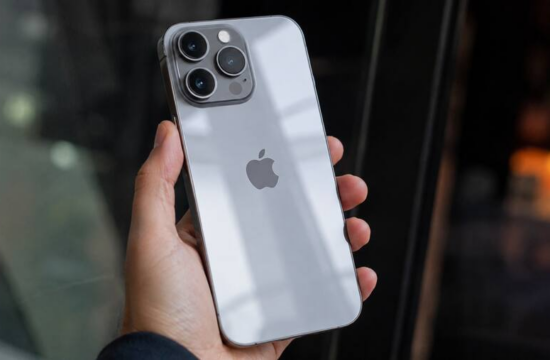
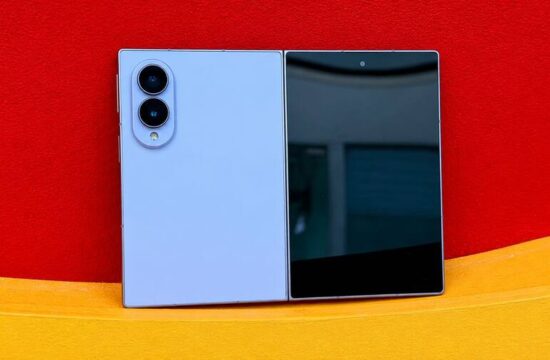
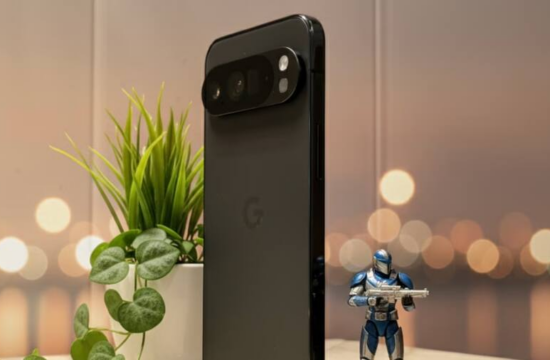
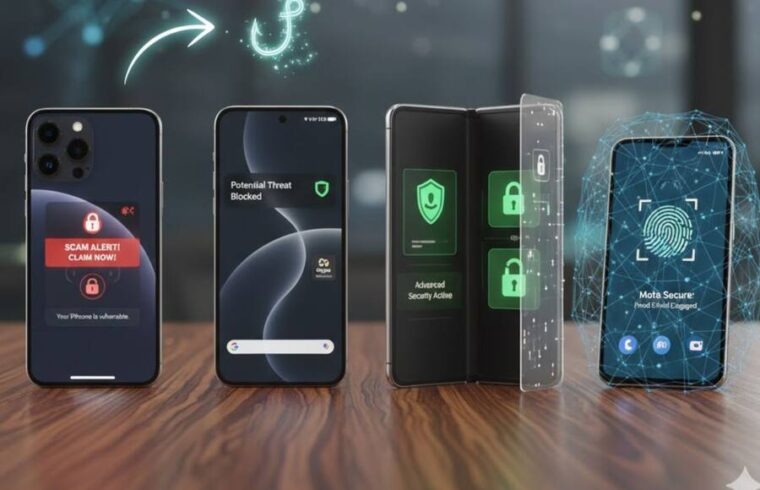
The study, conducted by the reputable Leviathan Security Group and backed by Google, aimed to cut through the marketing noise and objectively assess how effectively leading smartphones protect users from common digital trickery. They didn’t just scratch the surface. Researchers put 33 distinct security features to the test across four of the market’s most anticipated and current flagship devices: the Google Pixel 10 Pro, the Samsung Galaxy Z Fold 7, the iPhone 17 Pro, and the Motorola Razr+ 2025. The objective was straightforward: determine which device truly offers a stronger, more proactive defense line against the daily onslaught of scams, phishing attempts, and online fraud that we all face.
The Scorecard is In: Android’s Clear Victory
So, what did the rigorous testing reveal? Well, if you were expecting Apple to dominate, prepare for a plot twist. The Android devices didn’t just perform well; they surged ahead. The results painted a surprisingly clear picture that might just reshape how we view smartphone security going forward.
- The Pixel 10 Pro emerged as the undisputed leader, scoring an impressive 31 points. Think of it as the ultimate digital guardian against unwanted intrusions.
- Closely following, the Samsung Galaxy Z Fold 7 and the Motorola Razr+ 2025 both secured a strong 29 points each, demonstrating a formidable defense against scams.
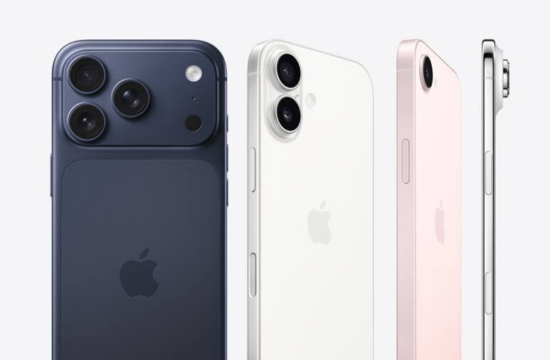
- And the iPhone 17 Pro? It lagged behind with a score of 23.25 points.
That’s a significant gap, isn’t it? When every point represents a crucial layer of protection, a difference of nearly eight points between the top Android phone and Apple’s latest flagship is something we simply can’t ignore. It highlights a specific area where Android, particularly through Google’s innovations, has developed a distinct advantage.
Android’s Secret Weapon: Proactive AI-Driven Defenses
What gives Android devices, especially the Pixel, such a formidable edge in this particular security battle? The researchers pointed to several key features that are deeply integrated into the Android experience, particularly those leveraging Google’s advanced artificial intelligence. These aren’t just passive protections; they’re proactive, intelligent safeguards that often stop threats before you even realize they’re there. Imagine having a personal digital bodyguard constantly screening your calls and texts, warning you of danger before it knocks on your virtual door.
The Power of Google’s AI in Action
Let’s talk specifics. Google’s ecosystem has evolved to include sophisticated tools that directly target scam communication:
- Intelligent Call Screening: Have you ever received a call from an unknown number and wondered if it’s legitimate or a spammer? Google’s call screening feature, often powered by on-device AI, can answer calls for you, transcribe the conversation in real-time, and let you decide if you want to pick up. It acts as a digital bouncer, filtering out telemarketers and potential fraudsters before they can even waste your time.
- Scam Detection and Real-time Warnings: Beyond just screening calls, Android devices are increasingly adept at identifying suspicious patterns in incoming calls and texts. If a message or call exhibits characteristics common to known scams or phishing attempts, you’ll often receive a real-time warning. It’s like having an early warning system built right into your phone, alerting you to potential dangers.
- Google Messages’ Spam Filter: The report specifically highlighted how Google Messages automatically filters spam texts. How does it do this? By meticulously analyzing the sender’s reputation, scrutinizing the message content for red flags, and leveraging vast databases of known spam. Many of these analyses happen directly on your device, ensuring your privacy while keeping you safe.
- The Phone App’s Spam Blocking: Similarly, the standard Google Phone app utilizes powerful on-device AI to block known spam numbers. This means that many fraudulent calls are stopped dead in their tracks, prevented from even reaching your screen. Imagine the peace of mind knowing that a significant portion of spam calls simply won’t bother you.
While Apple is undoubtedly working on refining its own defenses in these areas, Android’s current suite of AI-driven, proactive features appears to have given it a considerable head start in combating the sheer volume and evolving nature of everyday mobile scams.
Real-World Impact: Android Users Experience Fewer Scams
Beyond the lab tests, what does this mean for actual users in their daily lives? A joint survey by Google and YouGov provided some compelling real-world evidence. This extensive survey found that Android users were a remarkable 58% more likely to report receiving zero scam messages in a week compared to iPhone users. Think about that for a moment. Imagine a week without a single phishing text or suspicious call. For many, that sounds like a dream, and it appears to be a reality for a significant portion of Android users.
Unsurprisingly, Pixel owners, with their tightly integrated Google software and hardware, seemed to enjoy the highest level of comprehensive scam protection overall. This isn’t just a win for Android; it’s a strong endorsement for Google’s commitment to user safety through intelligent software design.
A Nuanced Perspective: iPhone’s Enduring Strengths
Now, before anyone jumps to conclusions and declares iPhones “insecure,” let’s clarify something crucial. This report doesn’t diminish Apple’s long-standing commitment to privacy or its robust app-level security. iPhones still maintain an excellent reputation for protecting your data from malicious apps and preventing unauthorized access to your device. Their “walled garden” approach remains highly effective for many traditional cybersecurity threats.
However, this study shines a spotlight on a different kind of protection. It’s about defense against the ever-growing wave of social engineering tactics: the deceptive calls and messages designed to manipulate you into revealing personal information or clicking malicious links. Think of it this way: an iPhone might be like a heavily fortified castle (excellent internal security), but Android, with its proactive scam detection, is building a sophisticated perimeter defense system that stops invaders long before they even reach the castle walls. Both are vital, but for dealing with the sheer volume of daily digital fraud, that perimeter defense is proving incredibly effective.
Your Digital Guardian: Choosing Your Shield Wisely
The Android vs. iPhone debate has always been a lively one, and this report adds a fascinating new dimension. While the iPhone 17 will undoubtedly continue to impress with its cutting-edge design, powerful performance, and stellar camera capabilities, it appears that for the crucial battle against mobile scams and online fraud, Android phones currently have the upper hand. Their proactive, AI-driven safeguards are demonstrating a superior ability to spot and stop potential scams before they ever get a chance to engage you.
In a world where online fraud is constantly on the rise and new scams emerge daily, your smartphone’s ability to act as your first line of defense is more important than ever. So, when you’re considering your next device, ask yourself: beyond the aesthetics and raw power, how well will it truly protect you from the digital wolves at your door? For now, it seems Android, especially with Google’s innovations, is stepping up as the premier digital guardian against the everyday threats of mobile fraud.