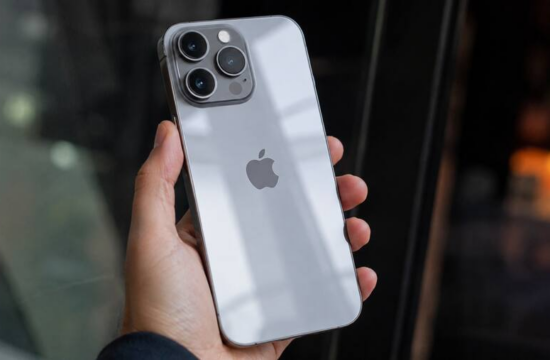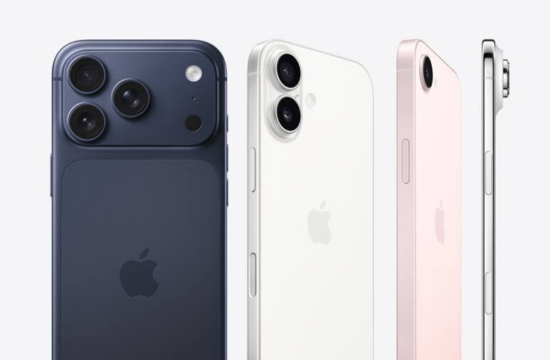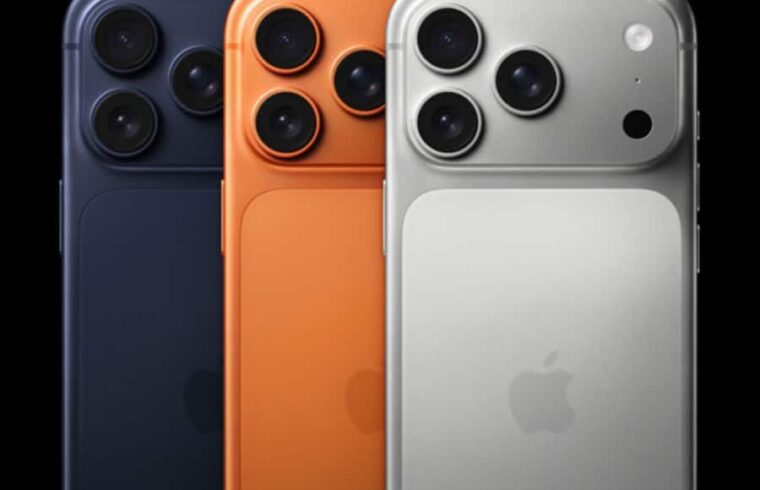
Hey there, fellow iPhone enthusiast! Do you, like me, find yourself constantly reaching for that handy Camera Control button on your iPhone, effortlessly framing the perfect shot or zipping between modes? Well, get ready because Apple, the master of subtle yet impactful innovation, is reportedly at it again! Whispers from the tech world suggest that the Cupertino giant is planning a significant simplification for this very button, potentially kicking off with the highly anticipated iPhone 18 series.
We’ve all grown accustomed to the nuanced feedback our iPhones offer, but have you ever stopped to think about what’s actually happening beneath the surface? Right now, if you’re rocking an iPhone 17, that Camera Control button isn’t just one simple component. It’s a rather sophisticated setup, employing two distinct sensing layers working in harmony: one specifically for touch, and another dedicated to pressure. The capacitive layer, much like your screen, brilliantly detects those light gestures – your gentle taps and quick swipes. Meanwhile, a separate pressure sensor precisely registers how firmly you’re pressing down. It’s a clever dance of technology, isn’t it?
Simplifying the Science: The iPhone 18’s Bold New Approach
Now, here’s where things get really interesting. According to insiders, Apple is looking to streamline this intricate dance by potentially ditching the capacitive layer entirely in the next generation. Imagine that! Instead, the upcoming iPhone 18 is expected to rely solely on a single, super-smart pressure sensor. But don’t let “single” fool you into thinking “less functionality.” Oh no, Apple wouldn’t do that to us!
This advanced pressure sensor is rumored to be so sophisticated that it can discern between a light press, a deep, firm press, and even those crucial sliding gestures – all without needing that extra capacitive layer. Think of it like an incredibly sensitive scale that not only tells you the weight but also how you’re applying the pressure. It’s a marvel of engineering that promises to maintain, and perhaps even enhance, the intuitive control we’ve come to expect.
Why the Change? Beyond Just a Button
So, why would Apple embark on such a re-engineering feat for something that seems to work perfectly fine already? Is it about cutting corners? Absolutely not. The reports suggest that this strategic move is driven by a desire to achieve a simpler design and, crucially, a more cost-effective production process. Let’s be honest, the current dual-layer setup, while brilliant, is inherently more expensive to manufacture. Plus, it has reportedly led to a few headaches in the after-sales repair department for Apple.
This simpler design isn’t just about saving a buck; it’s about reducing overall complexity. By consolidating functionality into one robust sensor, Apple aims to achieve a cleaner internal architecture. This could lead to fewer potential points of failure and, ultimately, a more reliable device for you. Think of it like streamlining a complex machine: fewer moving parts often mean less to go wrong and easier maintenance down the line. It’s a smart play, wouldn’t you agree?
What This Means for Your Everyday iPhone Experience
Now, for the million-dollar question: how will this affect your daily use? Will you suddenly be fumbling to take pictures? Not at all! The beauty of this redesign is that while the underlying technology is changing dramatically, your user experience should remain seamless. You’ll still be able to half-press to focus, long-press to capture video, or slide your finger to adjust settings, just as before. The gestures you’ve perfected will continue to work flawlessly.
In fact, this behind-the-scenes evolution might even make your interactions feel smoother and more consistent. By relying on one advanced pressure sensor, Apple could fine-tune the tactile feedback, making each interaction feel more precise and satisfying. It’s like upgrading your car’s engine without changing the steering wheel – you get a better ride, but the controls are exactly where you expect them to be.
Glimpse into the Future: All-Haptic iPhones by 2027?
But hold on, the story of button evolution doesn’t end with the iPhone 18. This simplification is merely a stepping stone on a much grander journey! Apple is reportedly cooking up something truly revolutionary: a future where all iPhone buttons could become fully haptic. Can you imagine an iPhone with no physical moving parts for its buttons, offering perfectly localized feedback?
By the time the iPhone 20 potentially arrives, expected around 2027, we might witness Apple leveraging cutting-edge piezoelectric ceramics. These incredible materials could provide precise, localized haptic feedback, giving each “button” a solid, incredibly realistic feel, even though it’s not physically moving. It’s like interacting with solid glass that feels exactly like a click, or even a nuanced slider. This isn’t just science fiction anymore; it’s the next frontier of smartphone interaction, promising unparalleled durability and design flexibility.
Apple’s Silent Revolution: Setting the Stage for Tomorrow’s Tech
So, what’s the takeaway from all this? In simple terms, you probably won’t feel a drastic difference the moment you pick up an iPhone 18. The changes are primarily under the hood. But make no mistake, beneath the sleek surface, Apple is meticulously setting the stage for a cleaner, more robust design, and significantly fewer hardware issues down the line. This iterative refinement is quintessential Apple, isn’t it?
It’s about laying the groundwork for a future where our devices are not only more intuitive but also more resilient and elegant. If all goes according to Apple’s ambitious plans, the next time you effortlessly frame a shot, zoom in on a distant subject, or switch to portrait mode, that camera button might just feel a little bit smoother, a little more precise, and a whole lot smarter. It’s a testament to Apple’s relentless pursuit of perfection, one tiny, yet significant, button at a time.