Hey there, tech enthusiasts! Have you ever wondered what truly makes your smartphone fly? It’s all about the chip inside, the tiny brain powering every tap, swipe, and sophisticated app. For years, the epic rivalry between Apple and Qualcomm has defined this battlefield, pushing the boundaries of what a mobile processor can do. And guess what? The next chapter in this thrilling saga is already being written, with early benchmark leaks painting a fascinating picture of the future.
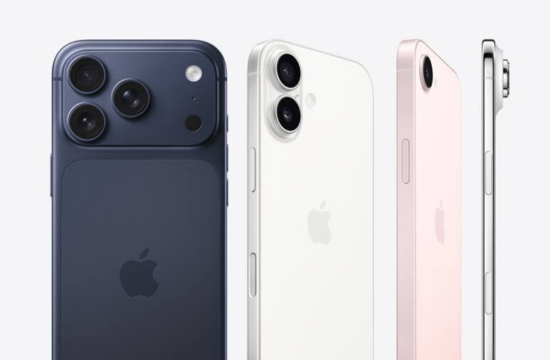
We’re talking about Apple’s upcoming A19 Pro chip, reportedly set to power the highly anticipated iPhone 17 Pro series, already making waves. If these numbers hold up, we might be witnessing another masterclass from Cupertino, potentially maintaining Apple’s lead in raw CPU performance. But don’t count Qualcomm out just yet! Their next-gen challenger is also gearing up for a fight. Let’s dive in and dissect these incredible machines!
Apple’s Next Big Leap: Unpacking the A19 Pro’s Jaw-Dropping Potential
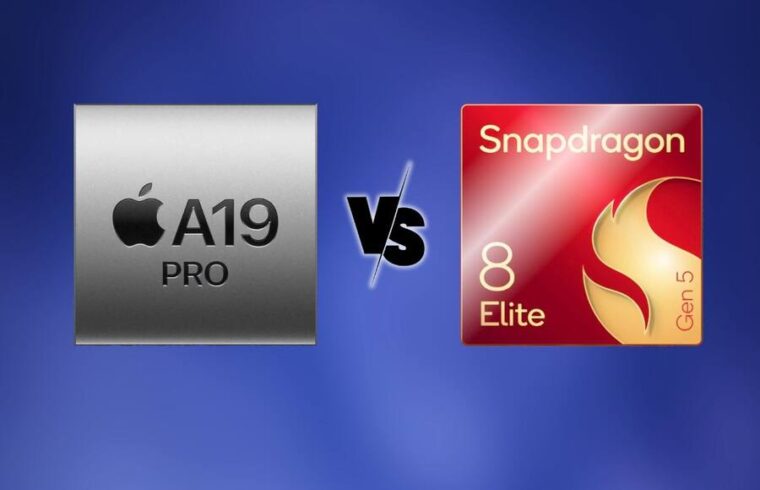
The tech world is buzzing, and for good reason! A recent Geekbench test report, supposedly from an iPhone 17 Pro Max, has thrust Apple’s A19 Pro into the spotlight. The scores are nothing short of impressive: a staggering 4,019 points in single-core and an eye-watering 11,054 in multi-core. If you’re scratching your head wondering what that means, let me put it this way: that’s roughly a 20% jump compared to last year’s A18 Pro, which currently powers the iPhone 16 Pro Max. Imagine your phone being a fifth faster across the board – that’s a serious upgrade!
This powerhouse chip isn’t just about raw speed; it’s also a marvel of modern engineering. Rumor has it, the A19 Pro is being built on TSMC’s cutting-edge 3nm process. Why does that matter to you? Because a smaller manufacturing process generally means more transistors packed into the same space, leading to not just better speed but also greater efficiency. This translates directly into a smoother, snappier experience for you, whether you’re gaming for hours or tackling intense creative tasks, all while potentially extending your battery life during those long, sustained sessions. Now, that’s what we call smart design!
Qualcomm’s Counter-Punch: Enter the Snapdragon 8 Elite Gen 5
While Apple is making headlines, Qualcomm certainly isn’t resting on its laurels. On the Android side of the fence, prolific leaker Digital Chat Station has given us a peek into what Qualcomm’s next flagship chip, the Snapdragon 8 Elite Gen 5, might achieve. This chip, which we expect to see in top-tier Android phones sometime in early 2026, is projected to hit around 3,393 in single-core and an impressive 11,515 in multi-core.
What does this tell us? It suggests that Qualcomm is absolutely closing the gap! Their multi-core performance could potentially even surpass Apple’s A19 Pro. However, it looks like Apple might still hold the edge in single-core power. Why is single-core performance so important, you ask? Think about it: most of your daily smartphone interactions – opening apps, scrolling through social media, quick photo edits – rely heavily on a single powerful core to execute tasks swiftly. So, while multi-core is great for heavy lifting, single-core is often the unsung hero that dictates your phone’s everyday responsiveness and overall “snappiness.”
The Perennial Performance Tug-of-War: Are These Benchmarks Too Good to Be True?
As exciting as these early leaks are, the tech world loves a good dose of skepticism, and rightly so! Not everyone is entirely convinced by the absolute highest A19 Pro scores floating around. Some other listings for the chip suggest its multi-core performance might actually sit below 10,000. This discrepancy has sparked a crucial question: could those stronger results have been achieved under controlled conditions, perhaps even with external cooling aids?
It’s like seeing a car perform spectacularly on a perfectly engineered race track with ideal conditions. Will it perform the same way in real-world traffic? If the A19 Pro’s top scores were indeed boosted by such measures, the real-world gains you experience might not feel quite as dramatic as these initial leaks suggest. It’s a good reminder that while benchmarks give us a glimpse, the true test always comes down to how a device performs in your hands, under your everyday usage.
Beyond Raw Power: Where the Battle Truly Rages
Apple’s Secret Sauce: Hardware-Software Harmony
Even with a dash of benchmark uncertainty, one thing remains undeniably true: Apple’s strength lies in its unparalleled CPU design and the tight integration between hardware and software. This synergy is Apple’s secret weapon, ensuring iPhones are consistently fast, reliable, and smooth, even when their raw spec numbers don’t always look superior on paper. It’s not just about how powerful your engine is; it’s about how well that engine communicates with the wheels and the steering, isn’t it?
Qualcomm’s Arsenal: Graphics, AI, and the Future of Android
Meanwhile, Qualcomm isn’t just playing catch-up; they’re pushing forward in other critical areas. We expect to see significant advancements from them in graphics performance and, crucially, AI capabilities. These are areas where Android devices, powered by Snapdragon chips, have recently shown incredibly strong progress, driving innovations in everything from advanced camera features to on-device generative AI tasks. As our phones become more intelligent, these specialized AI engines will become just as important as raw CPU grunt.
What Does This Mean for You, the Smartphone Enthusiast?
So, what’s the takeaway from all this exciting back-and-forth? Simple: the battle for smartphone performance supremacy is far from over, and that’s fantastic news for us consumers! As Apple and Qualcomm continue to innovate, we’re the ones who benefit from faster, more efficient, and more capable devices every year. Whether you’re an iPhone loyalist or an Android aficionado, you can look forward to phones that handle anything you throw at them, from graphically intensive games to complex AI operations, with astonishing ease.
As the iPhone 17 Pro series edges closer to its official reveal, and as we await more concrete details on the Snapdragon 8 Elite Gen 5, the future of smartphone computing looks incredibly bright. This ongoing competition isn’t just about numbers; it’s about pushing the boundaries of what’s possible in the palm of your hand. Which side are you rooting for in this epic chip war?