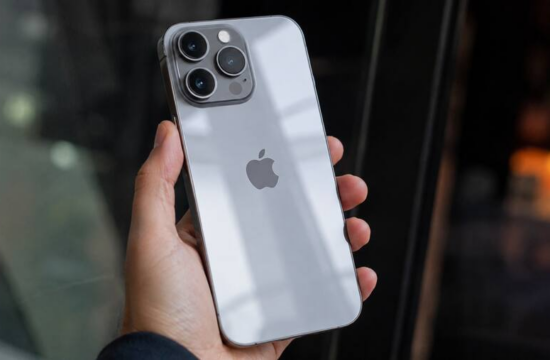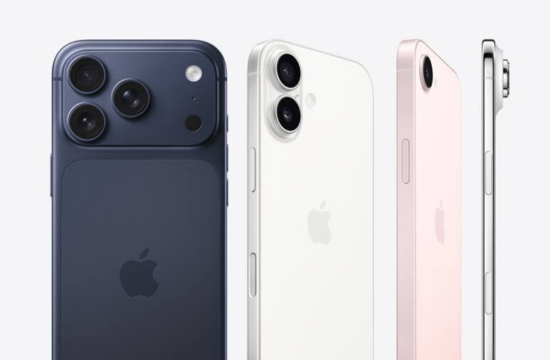
Hey there, tech enthusiasts and culture connoisseurs! Have you heard about the buzz surrounding Apple’s latest masterpiece, the iPhone 17 Air? While the entire iPhone 17 lineup, including the powerful Pro and Pro Max models, certainly made waves, it’s the incredibly svelte and lightweight iPhone 17 Air that truly captured our imagination. Weighing in at a mere 165 grams and boasting an impossibly thin 5.6-millimeter frame, this device feels more like a whisper in your hand than a slab of technology.
Globally, Apple’s marketing for the iPhone 17 Air features a visually striking image: the phone delicately held between a thumb and forefinger, perfectly illustrating its breathtaking thinness. It’s a brilliant, straightforward visual cue, isn’t it? But here’s where the plot thickens, and where Apple truly showed its strategic genius. If you peek at the Korean version of the iPhone 17 Air advertisement, you’ll notice something striking is missing: the hand is entirely gone. Why would such a seemingly minor detail be removed? Well, buckle up, because we’re about to dive deep into a fascinating tale of global marketing, cultural sensitivity, and the internet’s unique power in South Korea.
The iPhone 17 Air: A Featherlight Marvel Redefining Design
First, let’s marvel at the device itself. The iPhone 17 Air isn’t just thin; it’s a paradigm shift in smartphone design. We’re talking about a device so razor-thin it makes even some of its closest competitors, like the rumored Samsung Galaxy S25 Edge, seem bulky by comparison. Yet, Apple, ever the stickler for quality, hasn’t sacrificed an ounce of its signature build integrity. This isn’t just a pretty face; it’s a powerhouse. We’re getting robust performance, thanks to the brand-new A19 Pro chip, ensuring a buttery-smooth experience whether you’re gaming, streaming, or multitasking like a pro.
And let’s not forget the visuals! The iPhone 17 Air features a stunning 6.5-inch Super Retina XDR display, complete with a silky-smooth 120Hz refresh rate. Your photos and videos will pop with vibrant colors and incredible detail, all captured by a sophisticated single 48-megapixel rear camera that truly pushes the boundaries of mobile photography. This device isn’t just an engineering feat; it’s a statement. It’s a testament to how far technology can shrink without compromising on the premium experience we’ve come to expect from Apple.
A Pinch of Controversy: Why Apple’s Global Ad Falls Flat in Korea
So, the iPhone 17 Air is undeniably thin. Apple wanted to showcase this marvel of engineering, and what better way than a simple, elegant gesture? A hand, gently pinching the phone, perfectly conveying its minimal profile. Globally, this image resonates with consumers, instantly communicating the device’s standout feature. But in South Korea, that innocent little pinch takes on a completely different, and frankly, highly charged, meaning. It’s a fascinating example of how marketing, when not culturally attuned, can inadvertently stumble into a minefield of local sensibilities.
In South Korea, this specific hand gesture, with the thumb and forefinger held closely together, isn’t just a way to illustrate smallness. It has evolved, over time, into a symbol used to mock male anatomy. Locally, it’s known as “Jibgeson” or “Crab Hand,” and its appearance in public advertising or media has a notorious history of provoking widespread backlash. Imagine a company trying to demonstrate the delicate nature of a product, only to accidentally trigger an online uproar and accusations of insensitivity. This isn’t just a misunderstanding; it’s a deep cultural phenomenon that brands ignore at their peril.
Understanding the “Jibgeson” Phenomenon and its Provocative Power
The “Jibgeson” or “Crab Hand” isn’t a new controversy in South Korea. It has a long and somewhat tumultuous history, particularly within online communities. What might seem like an innocuous gesture to outsiders is deeply rooted in local cultural debates, often tied to gender sensitivity and online activism. For many, it represents a derogatory symbol, and its accidental inclusion in advertisements has historically led to intense scrutiny and even boycotts.
We’ve seen major companies in South Korea learn this lesson the hard way. Giants like Nexon, the massive gaming company, Naver Webtoon, a popular digital comic platform, and even the industrial powerhouse Posco, have all faced similar incidents. Their marketing materials, inadvertently featuring the “Jibgeson,” ignited fervent online protests, forcing apologies and content removals. It clearly demonstrates that in a society with such a vibrant and active online presence, symbols and gestures carry immense weight. Every pixel, every frame, can trigger a wildfire of controversy if not carefully vetted through a cultural lens.
Apple’s Masterclass in Cultural Nuance: Avoiding a PR Nightmare
This is where Apple’s marketing team truly shines. Recognizing the potential for a viral debate, they made a brilliant, preemptive move: they simply removed the hand. It’s a subtle change, easily missed by the casual observer, but its impact is profound. By opting for a hand-free depiction of the iPhone 17 Air’s slimness in South Korea, Apple deftly sidestepped what could have easily become a PR nightmare. Think about it: a single image, a tiny creative choice, could have overshadowed the entire launch of their groundbreaking new phone in a crucial market.
This decision isn’t just about avoiding trouble; it’s a masterclass in global marketing strategy. It demonstrates an incredible level of cultural intelligence and a willingness to adapt creative assets to local sensitivities. Apple understood that even minor creative choices can have oversized implications in a specific region, especially one as digitally connected and culturally aware as South Korea. They didn’t just translate their ads; they localized them, showing a deep respect for the nuances of the market. Isn’t that what truly thoughtful global branding looks like?
The Internet Reacts: A Wave of Amusement and Insight
Of course, the internet being the internet, this keen observation by Apple didn’t go unnoticed for long. Sharp-eyed netizens and cultural commentators quickly spotted the difference, sparking a wave of amusement and fascination across social media platforms. Reddit threads exploded with discussions, Korean social media posts garnered thousands of likes and shares, and global commentary poured in, often accompanied by insightful jokes and clever memes. The discovery of Apple’s strategic omission became a story in itself, celebrating the brand’s cultural awareness while simultaneously highlighting the sometimes bewildering complexities of global marketing.
One notable instance of this online commentary emerged from the “Apple Design” Twitter account, which succinctly pointed out the removal of the hand emoji from iPhone Air promos in Korea, even providing a visual comparison. This single tweet, shared widely, perfectly encapsulated the subtle yet significant change and contributed to the widespread discussion. It turns out, even a multinational tech giant’s quiet adaptation can become a viral moment, turning a potential blunder into a demonstration of savvy navigation.
Beyond the Hand Gesture: Lessons for Global Brands
The story of the iPhone 17 Air’s marketing in South Korea is far more than just a quirky anecdote. It’s a powerful lesson for every global brand operating in today’s interconnected world. It underscores the critical importance of deep cultural understanding and meticulous localization, moving beyond simple language translation to truly grasp the unspoken rules and sensitivities of a market. What works in one country can be entirely misinterpreted, or even offensive, in another. Apple’s proactive approach saved them from potential ridicule and instead earned them respect for their attentiveness.
Ultimately, the iPhone 17 Air remains a remarkable piece of technology, pushing the boundaries of design and performance. But its journey into the South Korean market serves as a compelling case study, reminding us all that in the realm of global branding, true success often lies not just in cutting-edge innovation, but also in the delicate art of cultural humility. So, the next time you see an ad, perhaps you’ll look a little closer. You never know what fascinating cultural stories might be hidden in plain sight, or more importantly, what subtle, intelligent choices a brand has made to ensure its message resonates appropriately with everyone.