Ah, the original iPhone Air. It swept onto the scene like a breath of fresh air, didn’t it? With its impossibly slim profile, that undeniable flagship feel, and a Pro-level chip tucked inside, it was a marvel. Yet, for many of us, there was always that one nagging thought, that single, glaring compromise: the lone rear camera. A beautiful phone, sure, but a solo shooter in a world of versatile optics felt a bit… limiting. Well, buckle up, tech enthusiasts, because the latest whispers from the rumor mill suggest Apple might finally be ready to address that widespread critique with the upcoming iPhone Air 2. But here’s the twist: it might come with an interesting trade-off under the hood.
A Visionary Upgrade: Dual Cameras for the iPhone Air 2?
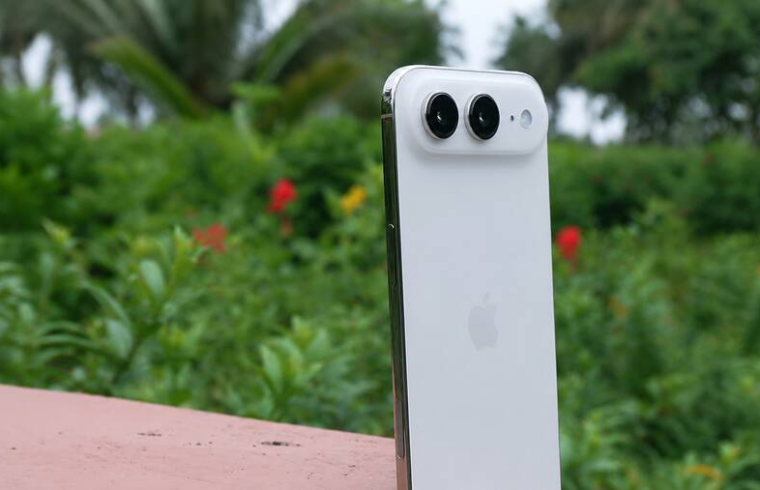
Imagine this: you’re out capturing a breathtaking landscape or a vibrant street scene, and suddenly, you have options. According to the freshest leaks, the iPhone Air 2 is poised to shed its single-lens shackles and embrace a dual rear camera setup. This isn’t just about adding another eye to the back of the phone; we’re talking about two potent 48MP sensors. That’s a significant leap from the current iPhone Air’s solitary 48MP unit, wouldn’t you agree? It’s like going from a talented solo artist to a dynamic duo, ready to tackle any photographic challenge.
Think about the possibilities! An additional sensor would unlock a whole new dimension of flexibility for your photos. You could potentially get improved wide-angle shots, better depth sensing for stunning portraits, or even enhanced optical zoom capabilities without losing precious detail. For us, the users, it means more creative freedom and a more robust photography experience. For Apple, this move could strategically position the Air series not just as a slim, premium alternative, but as a genuinely complete flagship option for those who crave top-tier features without venturing into the more specialized, and often pricier, Pro models. After all, the single camera was undoubtedly one of the most talked-about compromises on the first-generation Air, wasn’t it?
The Chipset Conundrum: A Pro-Level Retreat for the Air 2?
While the prospect of a revamped camera system has us practically giddy with anticipation, another part of the leak presents a slightly different narrative, particularly when it comes to raw processing power. The initial iPhone Air surprised many by shipping with the same cutting-edge A19 Pro processor as its more premium siblings, the iPhone 17 Pro lineup. It blurred the lines, offering flagship performance in a sleeker package. However, the iPhone Air 2 is reportedly charting a new course, possibly opting for Apple’s standard A20 chipset, rather than the rumored A20 Pro chip that’s expected to power the future iPhone 18 Pro, iPhone 18 Pro Max, and even the fabled iPhone Ultra. Are we seeing Apple draw a clearer line in the sand between its Air and Pro offerings?
If these leaks hold true, it signals a strategic shift. Where the first Air felt like a “Pro-lite” in terms of processing might, the Air 2 might become a more distinct segment. This doesn’t mean the A20 chip is a slouch by any stretch of the imagination. In fact, it’s anticipated to be built on TSMC’s groundbreaking 2nm process, promising notable advancements in both performance and power efficiency compared to previous generations. So, while it might not carry the “Pro” moniker, you can still expect a lightning-fast, incredibly responsive experience. It’s just that Apple seems to be carving out a more defined hierarchy within its smartphone ecosystem.
Why the Shift? Unpacking Apple’s Strategy
So, why would Apple change its tune and potentially hold back the “Pro” chip from the Air 2, especially after giving the first Air such a powerful start? One compelling reason could be the ever-climbing costs associated with manufacturing these bleeding-edge chipsets. The transition to a 2nm process is incredibly complex and undoubtedly more expensive than previous generations. By equipping the iPhone Air 2 with the standard A20 chip instead of the A20 Pro, Apple might be exercising shrewd cost control. It’s a balancing act, isn’t it?
This decision allows them to offer that desirable dual-camera upgrade and maintain the Air’s premium feel, all while managing production expenses. And let’s be honest, for the vast majority of users, the performance improvements brought by a standard A20 chip built on a 2nm process will still be more than sufficient, delivering a buttery-smooth experience across apps, games, and daily tasks. It’s less about making the phone feel slow and more about creating a discernible performance gap between their top-tier Pro models and the increasingly capable Air series. It’s a calculated move to refine their product tiers, ensuring each line offers a distinct value proposition.
Beyond Cameras and Chips: What Else to Expect?
Beyond the fascinating camera and chip narratives, the rumor mill also offers a glimpse into other potential enhancements for the iPhone Air 2. We’re hearing whispers of a gorgeous 6.55-inch LTPO display, complete with a silky-smooth 120Hz refresh rate. If that holds true, your content consumption and scrolling experience will be nothing short of phenomenal, making everything feel more fluid and immersive. As for its grand unveiling, current predictions suggest an early 2027 launch, potentially alongside the standard iPhone 18 and the more budget-friendly iPhone 18e.
Our Take: A Strategic Evolution, Not a Revolution
Of course, as with all leaks, it’s crucial to remember that Apple hasn’t confirmed a single detail yet. These are still speculative glimpses into what might be. However, if these rumors coalesce into reality, the iPhone Air 2 appears to be a thoughtful evolution of its predecessor. It promises to address one of the biggest complaints about the current Air model – that single camera setup – while still proudly retaining its defining slim and light identity. The potential processor trade-off might be a point of discussion for the most demanding users, but it seems like a calculated decision to balance features, performance, and cost within Apple’s ever-expanding portfolio.
So, what are your thoughts? Does the prospect of a dual-camera iPhone Air 2 excite you enough to overlook a standard A20 chip? Or do you think Apple should stick to its “Pro chip for Air” strategy? Share your predictions and excitement with us!