Hey there, tech enthusiasts! Have you ever wondered what the next big leap for smartphones will be? For years, the rumor mill has churned, but now, it seems almost certain: Apple is finally ready to enter the foldable smartphone arena. Get ready, because the whispers suggest an iPhone Fold could grace our hands as early as September 2026. This isn’t just another incremental update; we’re talking about Apple’s most significant new product category in ages, potentially reshaping the very definition of a premium smartphone.
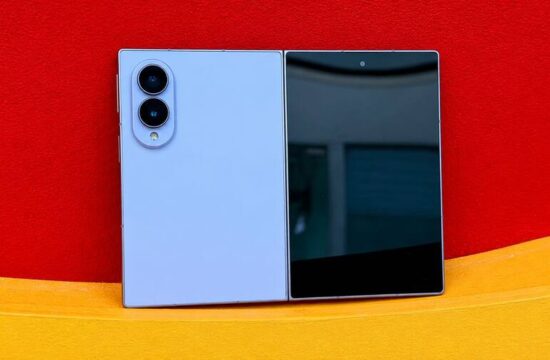
But let’s be real, folding phones aren’t entirely new, are they? Competitors have been experimenting for years, and while impressive, they’ve all faced a rather stubborn adversary: the dreaded screen crease. It’s the visual scar that reminds us we’re looking at a bending display, often impacting the user experience. So, the burning question is, how will Apple, a company synonymous with design perfection, tackle this challenge?
The Crease Conundrum: A Foldable’s Achilles’ Heel
Imagine unwrapping a brand-new iPhone, only to find a permanent line etched across its gorgeous display. That’s the reality many early foldable adopters have faced. This crease isn’t just an aesthetic flaw; it can affect the way light reflects, how your finger glides across the screen, and ultimately, your overall enjoyment. For a company like Apple, known for its meticulous attention to detail and seamless user experience, launching a device with a prominent crease would be, well, unthinkable. They simply can’t afford to compromise on their signature polish.
This is where Apple’s reputation for innovation truly comes into play. They rarely rush into new markets. Instead, they wait, observe, learn from others’ missteps, and then swoop in with a refined, often revolutionary, solution. And it seems the iPhone Fold will be no exception, as recent leaks paint a fascinating picture of their approach.
Apple’s Engineering Brilliance: The 3D-Printed Hinge Revolution
So, what’s Apple’s secret weapon against the crease? Drumroll, please… it’s a 3D-printed hinge. Yes, you read that right! This isn’t just about bending a screen; it’s about engineering the perfect mechanism to support that bend seamlessly. Think of it like a master watchmaker crafting intricate gears – 3D printing allows for an unparalleled level of precision and complexity that traditional manufacturing methods simply can’t match.
By leveraging 3D printing technology, Apple can design and create incredibly precise and intricate hinge components. The goal here is simple yet profound: to allow the display to bend in such a way that the stress points are minimized, effectively reducing, or even eliminating, that unsightly crease when the phone is unfolded. When the hinge structure is optimized with such finesse, the display can achieve a smoother, more natural curve, making the crease far less visible during everyday use. It’s like the difference between bending a cheap piece of cardboard versus smoothly folding a perfectly engineered piece of origami – one leaves a permanent mark, the other returns to its pristine state.
More Than Just a Hinge: Apple’s Prior Experience with 3D Printing
Now, if you’re thinking, “3D printing in an iPhone? That’s new!” — think again. Apple isn’t just dipping its toes into this technology for the iPhone Fold. In fact, they’ve already been incorporating 3D-printed components into existing products, such as their smartwatches and various internal parts within their devices. This extensive experience means the company has a deep understanding of the technology’s capabilities and limitations, positioning them to utilize it in an even more advanced and sophisticated manner for their groundbreaking foldable device.
Beyond the Hinge: A Display Revolution for Durability
But Apple isn’t stopping at a revolutionary hinge. Reports suggest they’re also eyeing a groundbreaking special display design for the foldable iPhone. We might see a dual-layer glass setup, where the actual screen is nestled securely between two thin layers of glass. This ingenious approach is all about mitigating direct pressure on the display when the device is folded, much like a protective shield.
Why is this a big deal? Well, foldable smartphones have, at times, been plagued by issues like screen damage and those persistent visible lines. By reinforcing the display with this dual-layer system, Apple is making a proactive move to significantly improve durability over time. It’s their way of saying, “We’re not just making it fold; we’re making it last.” This commitment to robustness will likely differentiate the iPhone Fold from many of its predecessors and contemporaries, offering users peace of mind in a category often associated with fragility.
The Broader Foldable Landscape: Raising the Bar
While Apple has been meticulously perfecting its approach, other brands in the foldable segment haven’t been idle either. We’ve seen various companies experiment with innovative materials, such as special polymers beneath the display, all aimed at making the crease less noticeable. It’s an ongoing arms race, isn’t it?
Apple’s entry, armed with its 3D-printed hinge and advanced display technology, isn’t just about creating another foldable phone. It’s about elevating the entire category. When a titan like Apple commits this level of engineering and design prowess, it forces every other player to step up their game. This intensified competition can only mean one thing for us, the consumers: better, more durable, and ultimately, more seamless foldable smartphones across the board. The iPhone Fold isn’t just a product; it’s a potential catalyst for industry-wide innovation.
A Strategic Partnership: Samsung’s Role in Apple’s Foldable Future
Interestingly, despite their fierce market rivalry, whispers suggest that Apple might be sourcing a substantial number of its foldable display panels from Samsung. What does this tell us? Firstly, it highlights the technical prowess of Samsung Display in this specialized field. Secondly, and perhaps more importantly, it underscores Apple’s immense confidence in the iPhone Fold’s potential demand. They’re not just dabbling; they’re preparing for a massive launch, indicating strong expectations for this groundbreaking device.
The Waiting Game: When Can We Get Our Hands on It?
While the September 2026 launch date remains a strong possibility, it’s crucial to remember that official confirmation from Apple is still pending. As we all know, Apple likes to move at its own pace, often keeping its cards close to its chest until the grand unveiling. Their philosophy has always been clear: perfection before presentation. The company seems to be taking its sweet time, refining every aspect of the design and performance, ensuring that when the iPhone Fold finally arrives, it’s not just good, but truly revolutionary.
So, are you ready for a foldable iPhone that genuinely aims to banish the crease? The prospect of an iPhone Fold with a seamless display and robust durability is incredibly exciting. It could very well be the device that finally convinces a mainstream audience that foldable phones aren’t just a gimmick, but the future of mobile technology. We’ll be watching closely, ready to experience how Apple plans to unfold a truly unique chapter in smartphone history. What are your thoughts? Are you excited for a crease-free future?