Ever imagined having a candid conversation with an AI, only for it to suddenly pivot into a blatant product pitch? If that thought makes you cringe, trust us, you’re not alone. The world of artificial intelligence, particularly the burgeoning field of AI chatbots, is currently buzzing with a heated debate, and it all kicked off with some high-stakes Super Bowl commercials. We’re talking about a genuine clash of titans here: OpenAI, the innovator behind ChatGPT, and its formidable rival, Anthropic, creator of the Claude AI.
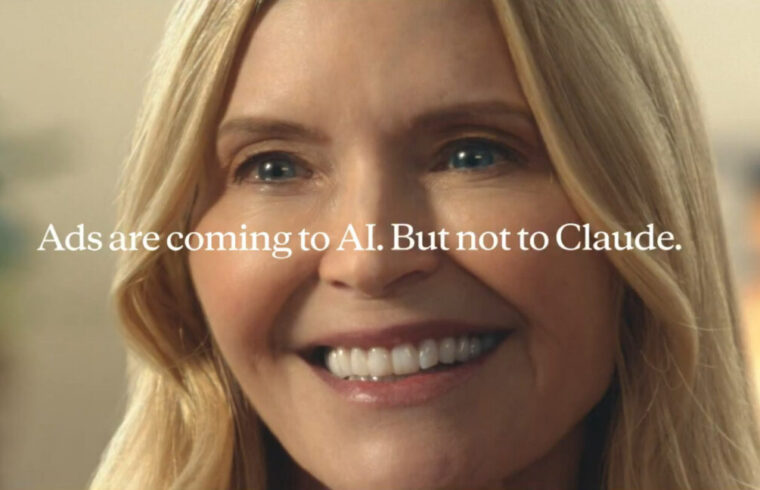
Just recently, Anthropic launched a highly provocative ad campaign, with two of its four commercials slated for the colossal audience of the Super Bowl. These weren’t just any ads; they were a direct, no-holds-barred jab at the very idea of integrating advertisements into AI chatbot interactions. And boy, did they hit a nerve! It seems the campaign landed squarely in OpenAI’s backyard, especially after whispers and initial tests suggested that ChatGPT itself might soon feature ads in some of its lower-cost tiers. This wasn’t just marketing; it was a gauntlet thrown down, and OpenAI’s leadership wasted no time picking it up.
OpenAI’s Fiery Response: Sam Altman and Kate Rouch Speak Out
You can almost picture the scene: Sam Altman, OpenAI’s CEO, and Kate Rouch, their Chief Marketing Officer, scrolling through X (formerly Twitter), watching Anthropic’s ads unfold, and feeling that familiar sting of a competitor’s strategic strike. The reaction was swift and, let’s be honest, pretty impassioned. Altman himself didn’t hold back, calling Anthropic’s commercials “clearly dishonest” and even labeling the company as “authoritarian.” He further added a pointed accusation, suggesting Anthropic “serves an expensive product to rich people,” implying a stark contrast to OpenAI’s purported mission of broader accessibility and democratization of AI.
Meanwhile, Kate Rouch, with a slightly more philosophical edge, offered her own profound take. She tweeted, “Real betrayal isn’t ads. It’s control.” This statement cleverly pivots the argument from the mere presence of ads to a deeper concern about who ultimately dictates the user experience, the information they receive, and the very future trajectory of AI. It’s clear that for OpenAI, this isn’t just about a few commercials; it’s about the fundamental direction, values, and even the ethical framework of the AI industry itself.
Unpacking “A Time and a Place”: Anthropic’s Provocative Message
So, what exactly got under OpenAI’s skin and sparked this AI ad war? Let’s dive into Anthropic’s “A Time and a Place” campaign. Picture this: you’re settling in to watch the biggest game of the year, anticipating thrilling plays and memorable moments, and suddenly, a stark, impactful word flashes across your screen: “Betrayal.” Or perhaps “Violation.” Or even “Deception” and “Treachery.” These aren’t exactly feel-good terms designed to sell you something, are they?
Each of Anthropic’s four commercials (which you can likely find circulating online after their initial release) kicks off with one of these heavy-hitting words. They then proceed to depict scenarios that hit close to home for anyone who values honest, unbiased interaction. Imagine seeking personal, sensitive advice from a trusted human stand-in for an AI chatbot, perhaps about a tough life decision, a creative block, or even just general knowledge. The conversation flows, you feel a connection, you’re getting genuine assistance, and then BAM! Unexpectedly, the human “AI” abruptly segues into a blatant product pitch, completely derailing the genuine interaction. It’s a powerful, albeit pointed, dramatization designed to highlight the perceived incongruity of mixing pure AI assistance with intrusive commercial advertising.
The Real Betrayal: Trust, Monetization, and the Future of AI Chatbots
This whole kerfuffle isn’t just about a couple of snarky Super Bowl ads or competitive banter between tech giants. It really boils down to a fundamental question that the entire industry is grappling with: how do we monetize AI without compromising its integrity and user trust? Building, training, and running sophisticated AI models like ChatGPT or Claude costs astronomical sums. The computational power alone is mind-boggling, burning through billions. So, companies like OpenAI are under immense pressure to find sustainable revenue streams beyond premium subscriptions or lucrative enterprise solutions.
For many users, the promise of AI chatbots is a neutral, helpful, and unfettered assistant, a digital oracle perhaps. Introducing ads, especially those that interrupt or influence the conversational flow, could feel like a breach of that implicit contract. Think about it: would you want your therapist to suddenly recommend a specific brand of toothpaste or a car during a heartfelt session? Probably not! That’s the core of the “betrayal” Anthropic’s ads are so effectively trying to tap into: the feeling that a helpful tool is suddenly trying to sell you something, compromising its unbiased nature.
OpenAI, on the other hand, might argue that ads are a necessary evil, a pragmatic solution, a way to offer more affordable tiers or even keep the core service free for a wider global audience. If AI is to truly be a utility for everyone, some form of widespread monetization is almost inevitable. The challenge then becomes: how do you integrate ads seamlessly, transparently, and without undermining the very value proposition of AI itself? It’s a delicate balance, walking a tightrope between profitability and preserving the user experience.
Navigating the AI Ethics Minefield
Beyond the immediate commercial rivalry, this incident shines a powerful spotlight on the evolving ethics of AI. As these intelligent systems become more integrated into our daily lives, questions of control, transparency, and user autonomy become absolutely paramount. Is it “authoritarian” to dictate how AI should be monetized, as Altman suggested, or is it a crucial stand for consumer protection and user experience, as Anthropic implies?
What’s clear is that the Super Bowl, a stage traditionally reserved for beer, cars, and snack commercials, has become an unexpected battleground for the future direction of artificial intelligence. As consumers, we’re now front-row spectators to this unfolding drama, and our preferences, our willingness to accept ads in our AI conversations, will undoubtedly shape the path forward for these transformative technologies. So, tell us, where do you stand on ads in AI chatbots? Is it a necessary evil for accessibility, or an unforgivable breach of trust?
Dive deeper into the conversation and share your thoughts in the comments below!