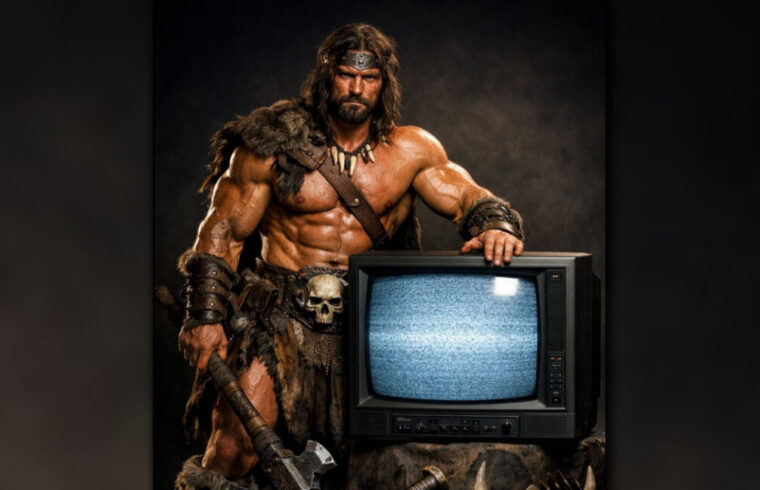
For centuries, manipulating images was an art form reserved for the few. Whether you spent hours in a chemical-laden darkroom, mastered the intricate layers of Photoshop, or possessed the steady hand of a master collage artist, altering a photograph convincingly required serious skill, significant time, or both. But what if I told you that era is rapidly becoming a relic of the past? We’re talking about a seismic shift, where turning your photographic dreams into reality is now as simple as typing a sentence. No, I’m not pulling your leg; this isn’t science fiction anymore.
From Darkroom to Dialogue Box: The Revolution in Image Manipulation
Think about it. The journey of image alteration has been a fascinating one. For roughly 200 years since the first enduring photograph, “View from the Window at Le Gras,” emerged, perfecting a picture meant getting your hands dirty. We transitioned from careful dodging and burning under red lights to the digital wizardry of tools like Adobe Photoshop, which, while powerful, still demanded a steep learning curve. Want to remove an unwanted object? Get ready for cloning, content-aware fill, and a fair bit of patience. But now, imagine exchanging that complex orchestral score for a simple, whispered request. That’s the power generative AI is bringing to our fingertips, fundamentally changing how we interact with images.
The End of Expertise as We Know It?
Suddenly, the need for years of visual training or intricate software knowledge seems to evaporate. The latest advancements in AI are democratizing image editing, putting professional-level manipulation capabilities into the hands of anyone who can articulate their vision in plain language. It’s a game-changer, plain and simple.
The AI Image Editing Race: Google vs. OpenAI
Like any groundbreaking technological leap, a fierce competition is brewing among the tech giants, each vying to deliver the most intuitive and powerful AI tools. We’ve seen this play out in various AI domains, and image editing is no different. It’s an exciting, fast-paced race where innovation happens at warp speed.
Google’s Early Strike: The Nano Banana Sensation
While OpenAI had been hinting at its conversational image-editing ambitions with models like GPT-4o, Google truly kicked off the public frenzy. They beat OpenAI to market with their own public prototype back in March, which quickly evolved into the wildly popular Nano Banana image model, followed by the even more refined Nano Banana Pro. The AI community’s enthusiastic response to Google’s offering was undeniable, sending a clear message: the future of image editing had arrived, and it was powered by natural language. This kind of rapid adoption surely caught the attention of OpenAI’s top brass, perhaps even triggering a “code red” scramble!
OpenAI’s Powerful Rejoinder: Introducing GPT Image 1.5
Never one to stay out of the spotlight for long, OpenAI has now unleashed its answer: GPT Image 1.5. This new AI image synthesis model is a serious contender. What’s so exciting about it? Well, for starters, it reportedly generates images up to four times faster than its predecessor. And if you’re a developer, you’ll be happy to hear it costs about 20 percent less through the API. This isn’t just a minor update; it’s a significant leap forward in making photorealistic image manipulation a casual, almost thoughtless process. Imagine: a few words, and voila! Your image is transformed. It’s like having a digital artist on call, ready to execute your every whim without blinking.
Why GPT Image 1.5 Is a True Game-Changer
The real magic of GPT Image 1.5, much like its Google counterpart, lies in its accessibility. You no longer need to understand layers, masks, curves, or luminosity. You don’t need to learn complex tools or spend hours watching tutorials. All you need is an idea and the ability to describe it. This capability is rolling out to all ChatGPT users, meaning that millions of people now have access to a tool that, just a few years ago, would have seemed like something out of a futuristic movie.
This isn’t just about making simple edits. We’re talking about sophisticated alterations – adding elements, removing distractions, changing styles, or even generating entirely new scenarios within an existing photograph, all with a simple text prompt. It’s a colossal shift that empowers individuals and businesses alike to create stunning visuals without the traditional barriers of expertise or cost.
The Broader Implications: Redefining Creativity and Reality
So, what does this mean for us? For marketers, designers, content creators, and even casual social media users, the possibilities are literally boundless. Imagine perfecting every image in your portfolio with unprecedented ease, or quickly generating bespoke visuals for every ad campaign. The speed and efficiency are game-changing. But beyond the practical applications, this technology forces us to ask some deeper questions:
- Are we entering an era where photography is less about capturing reality and more about conjuring it?
- How will this impact our perception of truth in imagery?
- Will creativity truly be democratized, or will new forms of digital literacy emerge as the defining skill?
The rapid advancement of tools like GPT Image 1.5 and Nano Banana signals a future where visual communication is more fluid, dynamic, and personalized than ever before. It’s an exciting, slightly dizzying prospect.
What Will You Create?
The power is now squarely in your hands. Whether you want to turn a mundane snapshot into a vibrant masterpiece, remove that photobombing stranger from your vacation pic, or craft an entirely new visual narrative, the barrier to entry has never been lower. So, are you ready to ditch the complex software and embrace the conversational creativity that AI image editing offers? The future of photography isn’t just around the corner; it’s already here, waiting for your next sentence.









