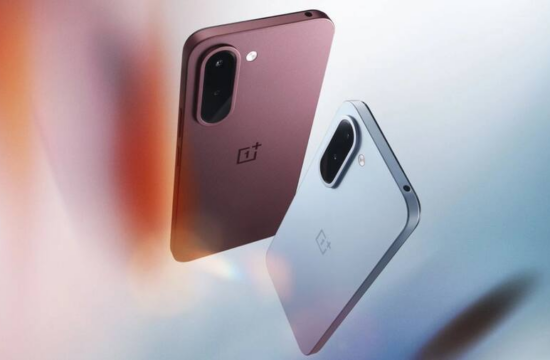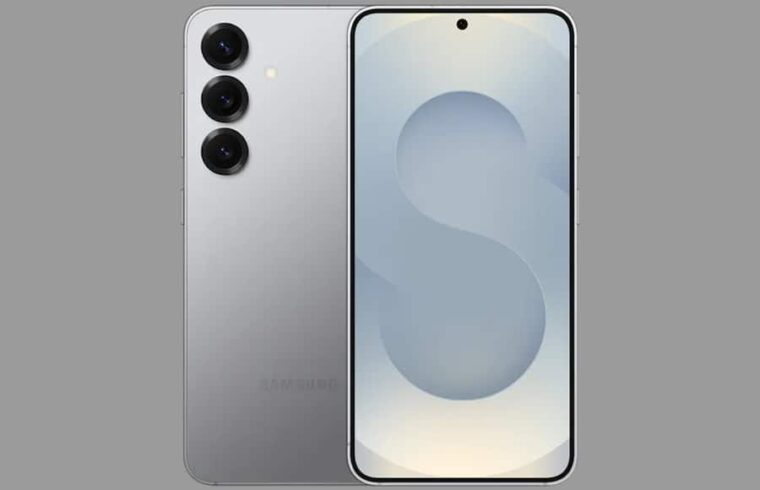
The tech world is buzzing, isn’t it? As we inch closer to 2026, the anticipation for the Samsung Galaxy S26 series is palpable. Every year, we eagerly await Samsung’s next flagship, hoping for groundbreaking innovation that pushes the boundaries of what a smartphone can do. We dream of sleek designs, blisteringly fast processors, and, perhaps most importantly for many of us, revolutionary camera systems. But hold on a minute, because it seems some recent whispers from the rumor mill are painting a rather different, and frankly, a bit disappointing, picture for the upcoming Galaxy S26 cameras.
You might be expecting a significant leap in photographic capability, right? After all, that’s what we’ve come to expect from Samsung. However, if the latest reports are anything to go by, your hopes for a dazzling camera upgrade with the Samsung Galaxy S26 might need to be tempered. In fact, many fans are already expressing disappointment, and once you hear why, you might just join them.
The Elephant in the Room: Galaxy S26 Camera Specifications Revealed (Or Not)
Here’s the scoop that’s got everyone talking: a recent report originating from South Korea’s highly reputable publication, The Elec, suggests something rather unsettling. The Samsung Galaxy S26 is largely expected to retain the exact same camera hardware as its predecessor, the Galaxy S25. Yes, you read that correctly. We might be looking at a near-identical camera setup, which for a flagship release, feels a bit like déjà vu, but not in a good way.
So, what does this mean for your photos and videos? If these leaks hold true, we’re likely to see a familiar configuration:
- A 50MP main camera, which has certainly served us well, but isn’t exactly a fresh take.
- A 10MP telephoto camera, offering 3x optical zoom for those slightly closer shots.
- And a 12MP ultrawide camera, perfect for capturing those expansive landscapes or group selfies.
And for those all-important selfies, don’t expect a radical change there either; a 12MP front camera is slated to make a return. While these specifications are by no means “bad,” are they truly what you expect from a brand new, next-generation Samsung flagship? We’ve been conditioned to anticipate innovation, not iteration, especially in a market as competitive as smartphones.
The Apple Effect: How the iPhone 17 Shook Samsung’s Plans
Now, here’s where the story gets really interesting, and frankly, a bit dramatic. This wasn’t Samsung’s original game plan. Can you believe it? According to insiders, Samsung had initially envisioned a legitimate camera sensor upgrade for the S26, a move that would naturally come with a slight bump in the base price to justify the enhanced hardware. It made perfect sense, right? Offer more, charge a little more. A standard industry practice.
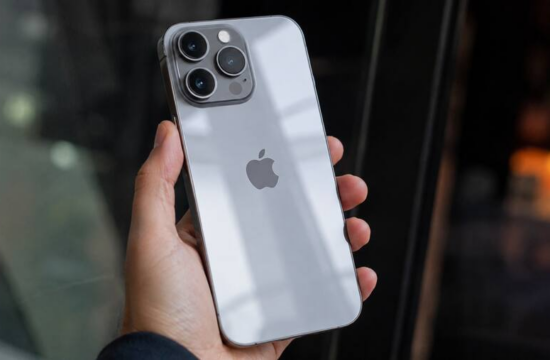
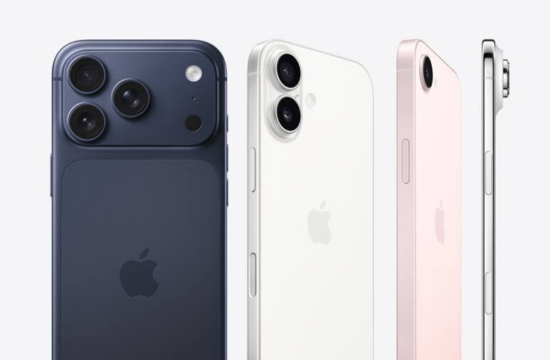
But then, like a plot twist in your favorite tech thriller, Apple entered the scene and reportedly changed the entire equation. The word on the street is that the iPhone 17, Apple’s competing flagship, is poised to launch with some seriously compelling features—think a 120Hz ProMotion LTPO display and a generous 256GB of base storage—all without hiking its $799 starting price. That’s a power move if ever there was one!
Imagine being Samsung, meticulously planning your next big launch, only for your fiercest rival to throw a strategic curveball like that. What do you do? You adapt, and fast. To remain intensely competitive and avoid being perceived as overpriced, Samsung reportedly quietly reversed its decision. The strategy? Retain the older camera hardware. This allows them to control manufacturing costs more effectively and, crucially, keep the S26 base price in check, trying to match Apple’s aggressive pricing without sacrificing too much profit margin. It’s a high-stakes chess match, and we, the consumers, are watching every move.
Production Pains and the Disappearing ‘Edge’ Model
Such a significant, last-minute pivot doesn’t come without consequences, does it? This strategic reversal has reportedly sent ripples through Samsung’s production timeline. Think about the logistics involved: engineers have had to go back to the drawing board, redesigning internal components to accommodate the previously planned camera housing but with the older sensors. It’s like trying to fit a new engine into an old car frame, except the parts are slightly different, and everything needs to be perfect. This undoubtedly adds complexity and potentially delays.
And there’s another casualty in this saga: the much-speculated “Edge” model for the S26 lineup. Earlier plans suggested Samsung might introduce an Edge variant, but after the rather sluggish sales performance of the Galaxy S25 Edge, coupled with these new cost-saving measures, Samsung has reportedly decided to simplify. We’re now likely looking at the familiar and streamlined Standard, Plus, and Ultra lineup. Sometimes, consolidation is key, especially when navigating a turbulent market.
The Unavoidable Truth: Will the S26 Price Still Increase?
Here’s the kicker, and perhaps the most frustrating part for many of us: even with Samsung cutting corners on camera upgrades to manage costs, industry sources are whispering that a price increase for the Galaxy S26 might still be unavoidable in early 2026. Why, you ask? Well, the global semiconductor market and component costs are on an upward trajectory. Everything from the chips that power our devices to the screens we interact with is getting more expensive to produce.
Samsung managed to freeze pricing for the S25 lineup, a move that was certainly appreciated by consumers. But repeating that feat in 2026, amidst rising material costs and intense competitive pressure, seems like an increasingly difficult challenge. So, are we potentially looking at a scenario where we get essentially the same camera hardware as the previous generation, yet still pay more for the Galaxy S26? It’s a bitter pill to swallow, isn’t it?
Ultimately, the Samsung Galaxy S26 series appears to be a product of strategic compromises. While we might not see the camera revolution we hoped for, Samsung is clearly prioritizing competitive pricing in a tough market influenced heavily by rivals like Apple. Will this strategy pay off, or will it leave consumers yearning for more? Only time, and the eventual launch, will tell. What are your thoughts on these revelations? Share your predictions for the S26 in the comments below!