Hey tech enthusiasts, buckle up! The whispers around Apple’s much-anticipated foldable iPhone are getting louder, and the latest buzz suggests a pretty significant shift in its hardware. Imagine, if you will, holding a revolutionary foldable device that drops the physical SIM card slot entirely, relying solely on eSIM support. Sounds like a bold move, right? Well, if this leak holds true, it’s perfectly aligned with Apple’s ongoing trajectory towards an eSIM-exclusive world for its iPhones, a trend we’ve already seen making waves in various markets.
The eSIM Revolution: A Bold Move for the iPhone Fold
The scoop comes from none other than Chinese tipster Instant Digital, who recently shared on Weibo that the iPhone Fold is “likely to support only eSIM.” This isn’t entirely new territory for Apple. Remember when the SIM tray vanished from iPhones sold in the US? That was just the beginning. Now, picture this commitment to eSIM on a premium, globally launched foldable device. It’s a statement, a clear sign of where Apple sees the future of connectivity.
Why Go eSIM-Only? Unpacking Apple’s Strategy
So, why would Apple make such a definitive move with a device as groundbreaking as the iPhone Fold? It’s not just about being cutting-edge; there are some seriously compelling practical advantages. Think about it: removing that physical SIM tray isn’t just a cosmetic tweak. It’s like clearing out clutter from a tiny, essential room. This newfound internal space could be a game-changer for a foldable phone. What could Apple do with it? They could potentially squeeze in a larger battery, design a sturdier internal structure, or significantly improve heat management. All of these factors are incredibly crucial for a foldable device, which already juggles complex mechanics and demanding power needs. Plus, fewer moving parts or openings often translate to enhanced water and dust resistance, adding another layer of durability to your premium device.
Navigating the eSIM Landscape: What It Means for You
For many of us, especially in markets like India, this transition might feel almost seamless. Major telecom operators such as Jio, Airtel, and Vi have already embraced eSIM technology with open arms. Activating a connection? Often just a few digital taps away! Apple is actually pushing for eSIM to become the worldwide default for future iPhone generations anyway. By the time the iPhone Fold makes its grand debut, many of us will likely be old pros at managing our eSIMs. However, let’s be real, change always brings a few adjustments. If you’re someone who constantly swaps physical SIM cards, perhaps for work or when globetrotting, or if you rely on local physical SIMs for international travel, you might need a little time to adapt. But trust us, the convenience once you’re set up is truly liberating!
Beyond the SIM: A Glimpse into the iPhone Fold’s Innovations
But the eSIM-only rumor is just one piece of the puzzle. The iPhone Fold promises to be an engineering marvel, packed with innovations that could redefine the foldable phone experience. Let’s peel back the layers and see what else is rumored to be brewing in Apple’s labs.
Display Dynamics: Erasing the Crease
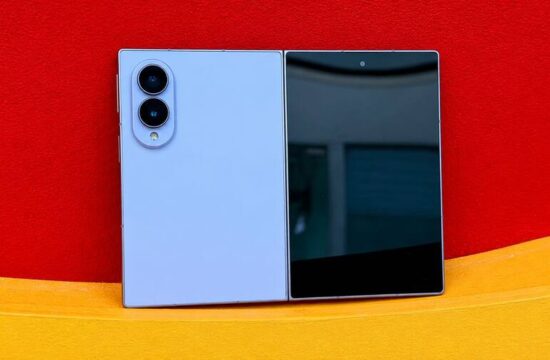
We’ve all seen the Achilles’ heel of current foldable phones: the dreaded display crease. It’s like a wrinkle on an otherwise perfect canvas. Apple, ever the perfectionist, is reportedly working tirelessly to minimize or even eliminate this crease. Imagine a foldable display that folds perfectly flat, without any visible indentation. That’s the dream, and Apple seems determined to make it a reality. Leaks suggest we’ll be getting a practical 5.5-inch cover screen and a generous 7.8-inch inner foldable display – offering ample screen real estate for everything from productivity to immersive entertainment.
Powering the Fold: Chip, Battery, and Camera Tech
What kind of engine will power such a futuristic device? Only the best, of course. The iPhone Fold is expected to run on Apple’s next-generation A20 Pro chip, likely built on a cutting-edge 2nm manufacturing process. This means unparalleled speed, efficiency, and raw power for handling demanding tasks and sophisticated foldable software. And what about battery life, a constant concern for any smartphone, let alone a foldable one? Apple is rumored to be exploring a silicon-carbon battery. This innovative tech could unlock better battery capacity without forcing the device to get any thicker – a crucial advantage in a form factor where every millimeter counts. And for those who love a clean, uninterrupted screen, prepare for another delight: Apple is tipped to introduce an under-display selfie camera, making those bezels disappear even further for a truly immersive viewing experience.
The Unfolding Timeline: When Can We Expect This Marvel?
So, when can we expect to get our hands on this potential masterpiece? While nothing is set in stone, current predictions point to the iPhone Fold making its grand debut sometime in 2026. And as you might expect from a device that packs so many innovations and represents a brand-new frontier for Apple, it’s likely to sit squarely at the top end of Apple’s pricing range. This will be a premium device for those who demand the absolute latest and greatest in mobile technology.
The iPhone Fold isn’t just another smartphone; it represents Apple’s highly anticipated entry into the foldable market, aiming to set new benchmarks in design, performance, and user experience. With an eSIM-only approach, a crease-free display, a powerhouse chip, and advanced battery and camera tech, it’s shaping up to be a device that could truly redefine what we expect from our mobile companions. Are you ready for the future of the iPhone? We certainly are!